Introduction
Magnetic Particle Inspection (MPI) is one of the most widely used non-destructive testing (NDT) methods for detecting surface and near-surface defects in ferromagnetic materials. It is commonly applied in industries such as aerospace, automotive, railway, shipbuilding, pressure vessels, and heavy machinery manufacturing.
However, after the MPI process, some components may retain residual magnetism. If this residual magnetic field is not removed, it may affect subsequent manufacturing processes, assembly, and product performance.
Therefore, demagnetization after magnetic particle inspection is an important step in many industrial applications.
What Is Residual Magnetism After MPI?
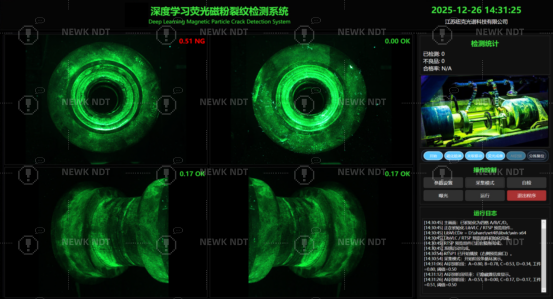
During magnetic particle inspection, the workpiece is magnetized by applying an external magnetic field. When discontinuities such as cracks or defects exist, magnetic flux leakage occurs around the defect area, attracting magnetic particles and forming visible indications.
After inspection, some magnetic domains inside the material may remain aligned, creating a residual magnetic field.
This remaining magnetism is called residual magnetism or remanent magnetism.
The level of residual magnetism depends on factors such as:
- Material properties
- Magnetic permeability
- Magnetizing current
- Magnetization direction
- Inspection method
- Previous machining or welding processes
Why Does Residual Magnetism Need to Be Removed?
1. Prevent Attraction of Metal Particles
Residual magnetism can attract small metal particles, dust, and chips during machining, transportation, or operation.
For precision components, accumulated particles may cause:
- Surface contamination
- Increased wear
- Reduced product reliability
2. Avoid Interference with Subsequent Processes
Many components require additional manufacturing steps after inspection, including:
- Welding
- Grinding
- Machining
- Assembly
Residual magnetic fields may interfere with these processes, especially in precision manufacturing environments.
For example, during welding operations, unwanted magnetic fields can cause arc blow, leading to unstable welding and reduced weld quality.
3. Protect Precision Equipment and Sensors
Some components are installed near:
- Electronic sensors
- Measuring instruments
- Control systems
Residual magnetism may affect the accuracy of sensitive equipment.
In industries such as aerospace and automotive manufacturing, controlling residual magnetic fields is often an important quality requirement.
How Does an Industrial Demagnetizer Work?
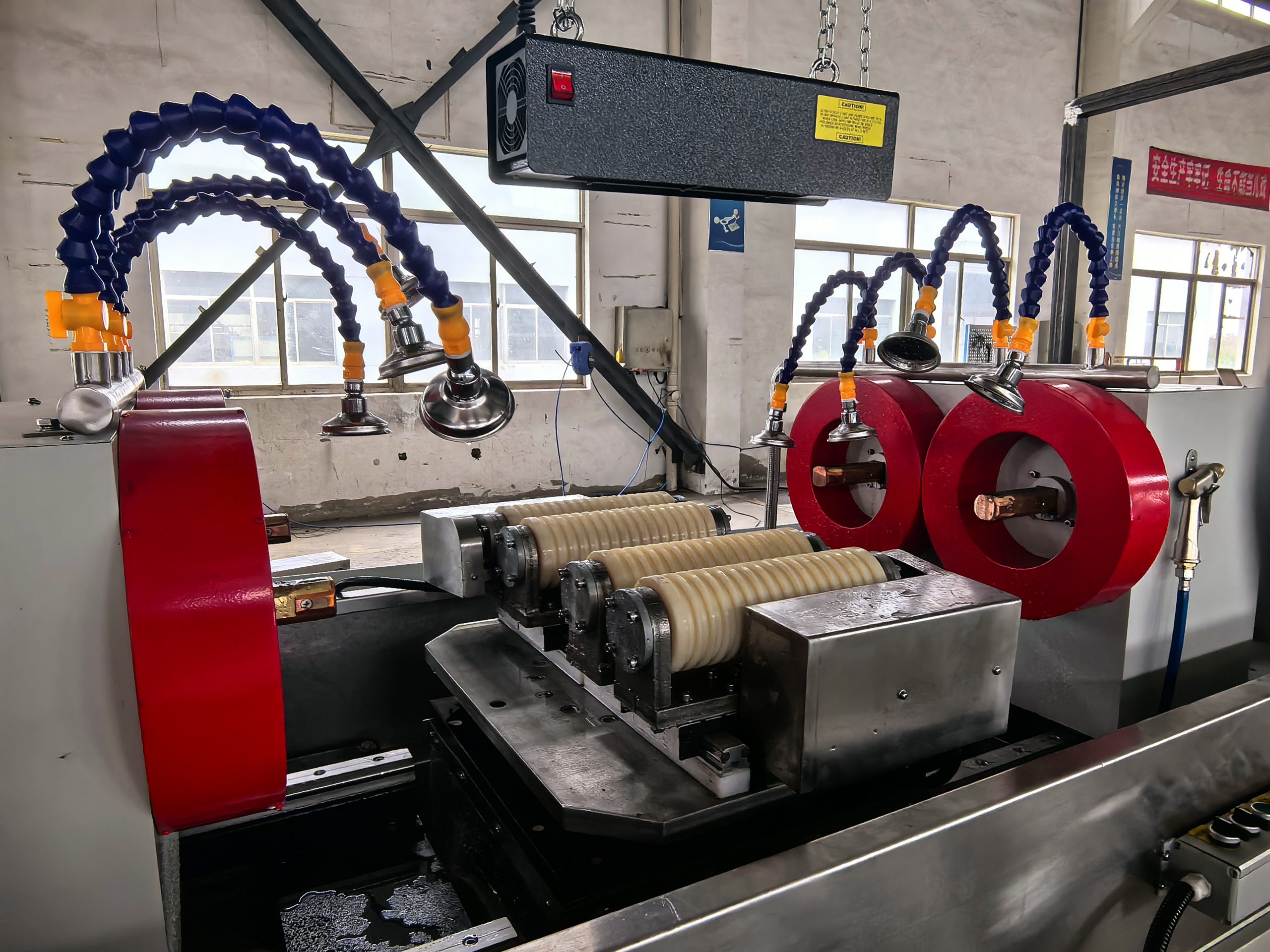
Industrial demagnetization usually uses an alternating magnetic field with gradual attenuation.
The basic principle is:
- Apply an alternating magnetic field to the workpiece.
- Gradually reduce the magnetic field intensity.
- Randomize the magnetic domains inside the material.
- Reduce the remaining magnetic field to an acceptable level.
Common demagnetization methods include:
AC Demagnetization
AC demagnetization uses an alternating current magnetic field.
Advantages:
- Effective for surface residual magnetism
- Suitable for many steel components
- Commonly used after MPI inspection
Moving Type Demagnetization
For large components such as:
- Long shafts
- Pipes
- Heavy steel structures
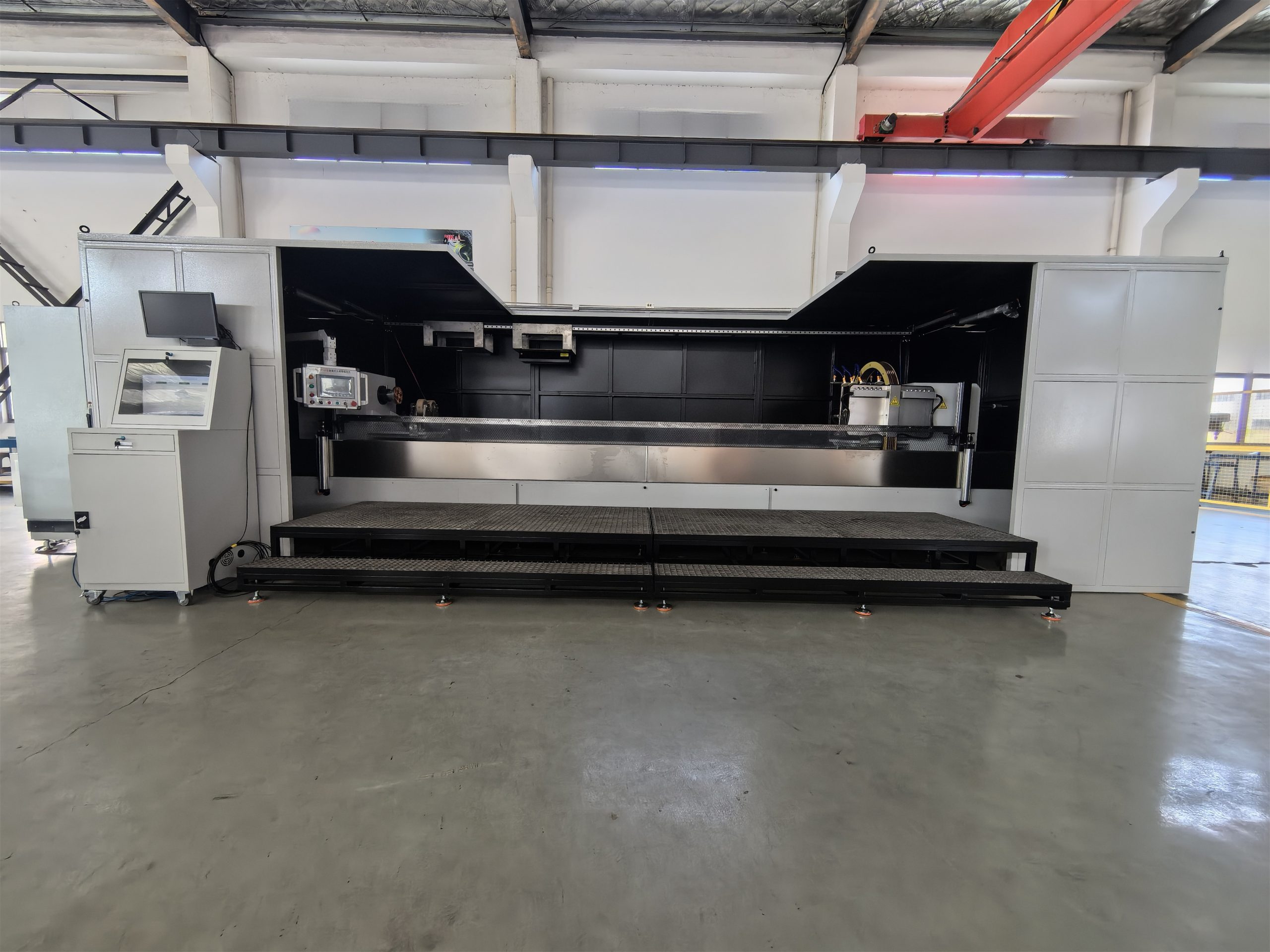
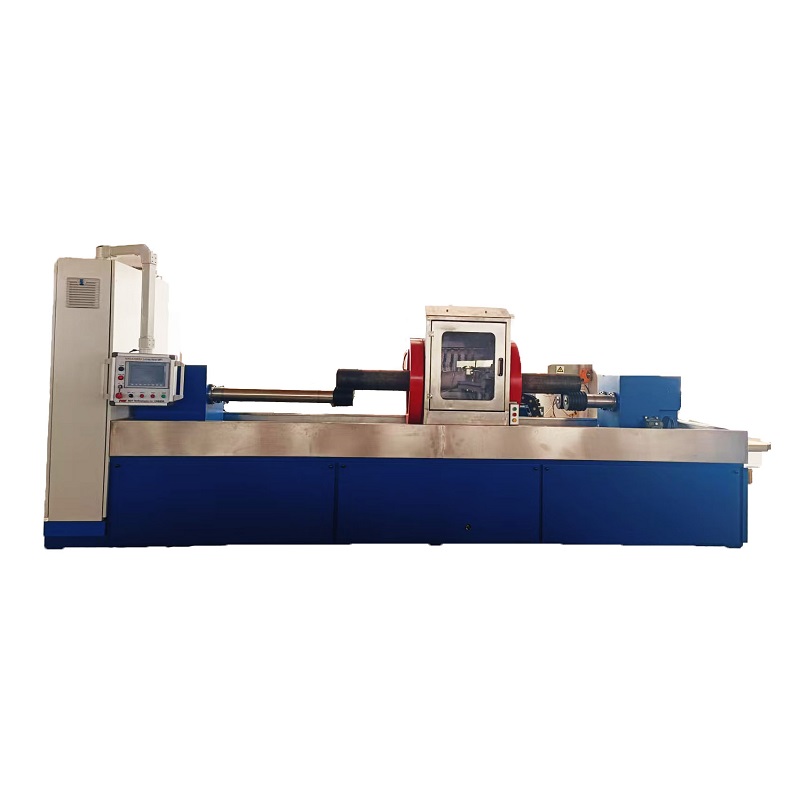
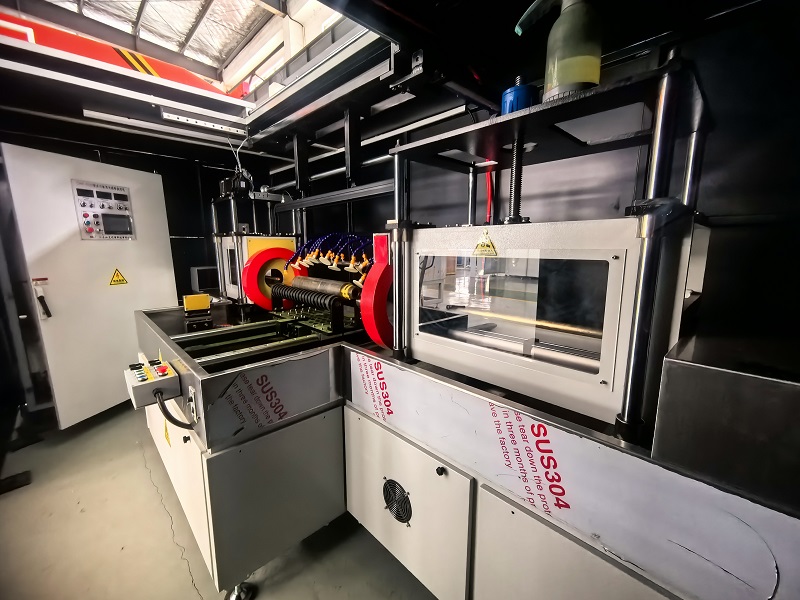
A moving demagnetization system can move the workpiece or magnetic coil through an attenuated magnetic field to achieve uniform demagnetization.
Factors Affecting Demagnetization Results
The effectiveness of demagnetization depends on several factors:
Material Type
Different materials have different magnetic characteristics.
For example:
- Carbon steel is generally easier to demagnetize.
- Some stainless steels, especially after welding or cold working, may develop magnetic properties.
Initial Residual Magnetism Level
Higher residual magnetic fields may require stronger or multiple demagnetization processes.
Component Size and Shape
Large or complex components may require customized demagnetization equipment to ensure sufficient magnetic field penetration.
Required Residual Magnetism Level
Different industries have different acceptance criteria. The required residual magnetic field level should be confirmed according to customer specifications and applicable standards.
Applications of Demagnetization Equipment
Industrial demagnetizers are widely used in:
- Aerospace components
- Automotive parts
- Oil and gas pipelines
- Stainless steel pipes
- Bearings and shafts
- Heavy machinery components
- Welded structures
For large or customized components, manufacturers often use automated demagnetization systems designed according to:
- Workpiece dimensions
- Material characteristics
- Production requirements
Conclusion
Magnetic Particle Inspection is an effective method for detecting surface defects, but the magnetization process may leave residual magnetic fields inside components.
Demagnetization after MPI helps reduce unwanted magnetic effects, improve manufacturing reliability, and ensure component performance in critical applications.
Selecting the correct demagnetization method depends on the material, component size, residual magnetism level, and required acceptance criteria.
Contact us for more Demag solutions.