Discover how AI magnetic particle inspection machines improve crack detection accuracy, inspection efficiency, and quality control for automotive, aerospace, and industrial components.
In modern manufacturing, ensuring the reliability of safety-critical components has become more important than ever. Industries such as automotive, aerospace, railway, and heavy machinery require advanced inspection solutions to detect surface and near-surface defects before products enter service.
Traditional magnetic particle inspection (MPI) relies heavily on operators’ experience to identify indications. However, with increasing production volumes and stricter quality requirements, manufacturers are looking for smarter inspection technologies.
An AI magnetic particle inspection machine combines traditional non-destructive testing technology with artificial intelligence image recognition to improve inspection accuracy, consistency, and efficiency.
What Is an AI Magnetic Particle Inspection Machine?
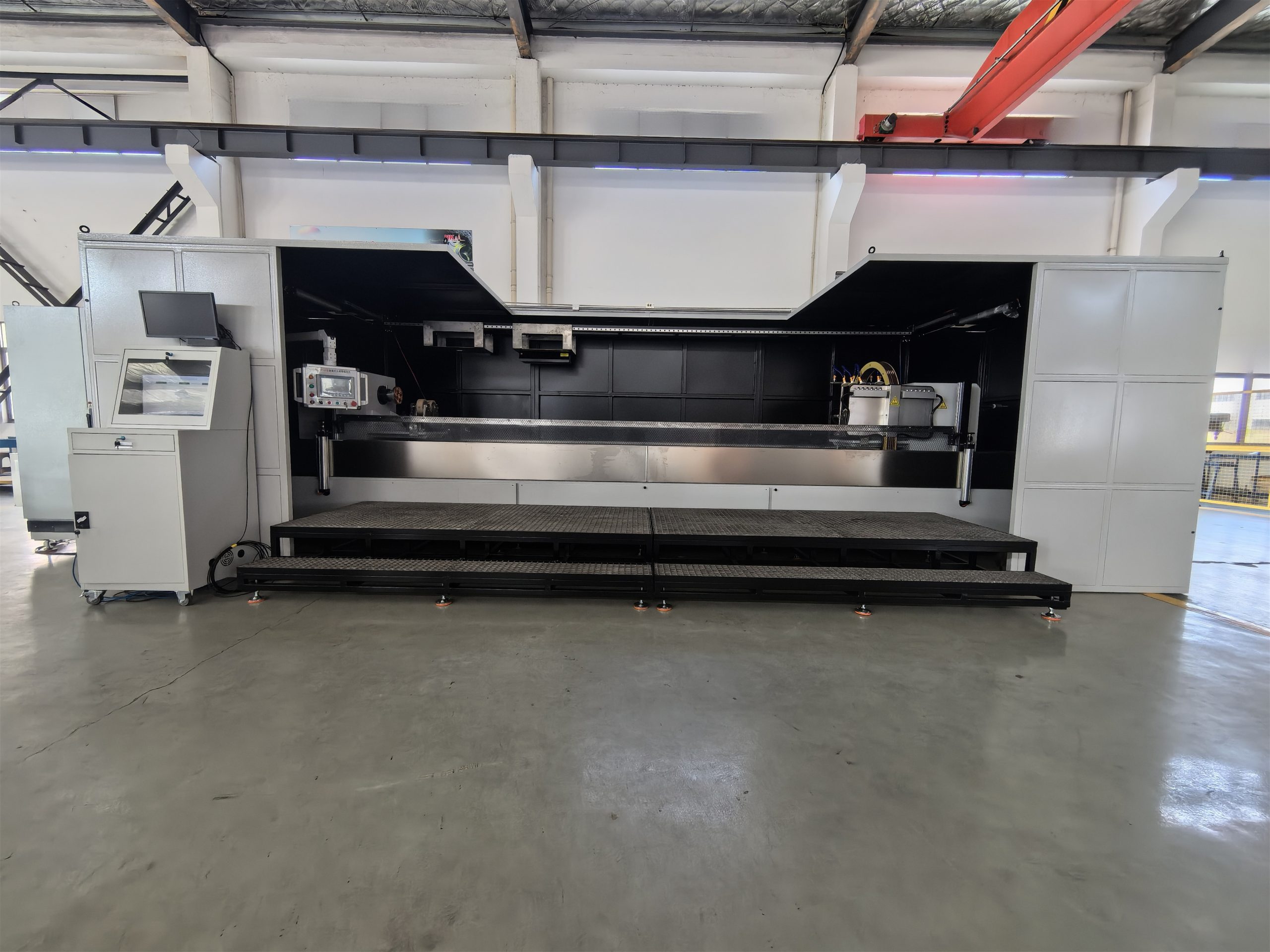
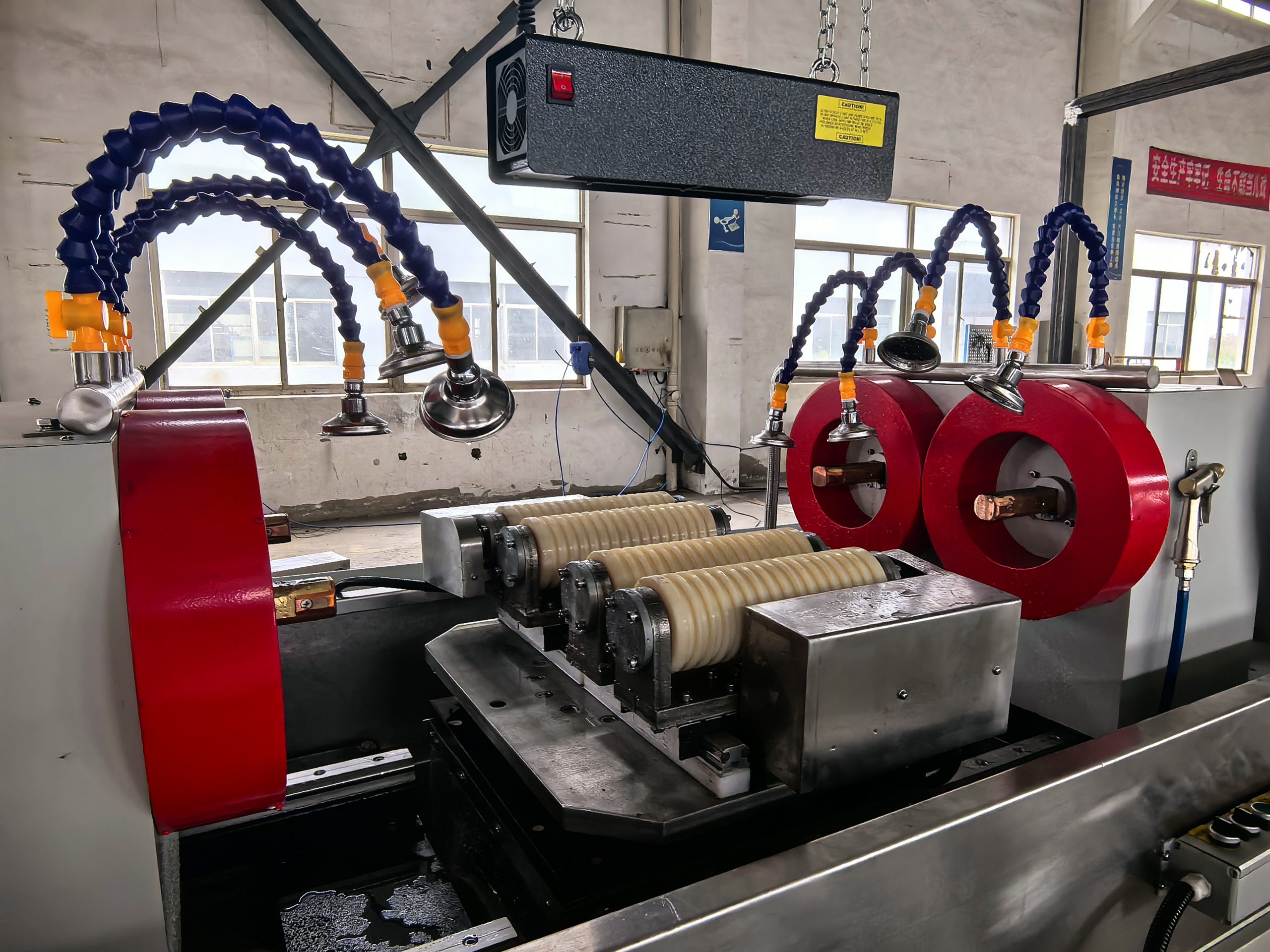
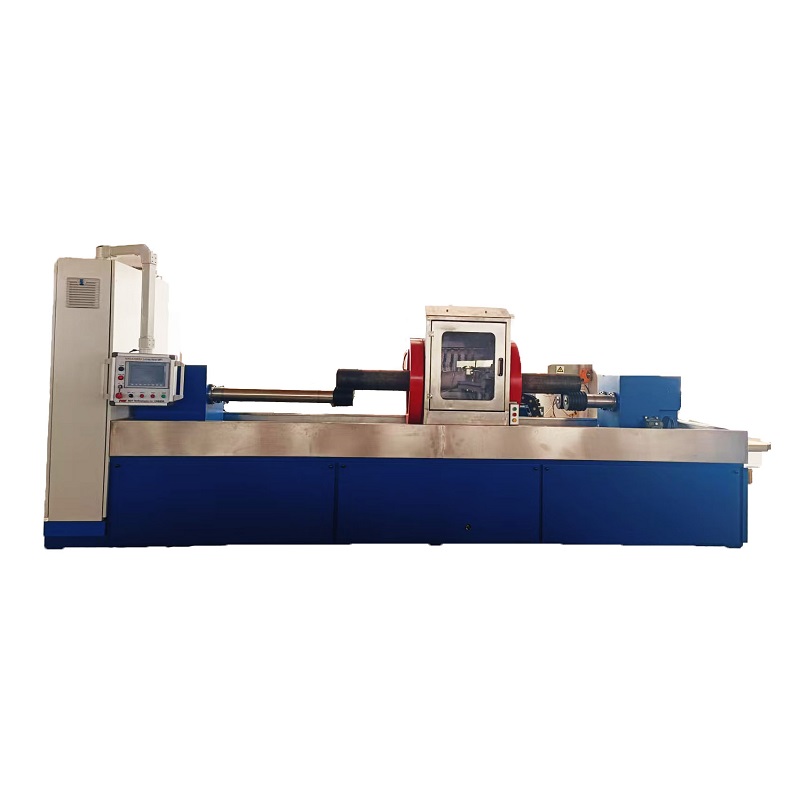
An AI magnetic particle inspection machine is an automated NDT system that uses magnetic fields, fluorescent magnetic particles, industrial cameras, and AI algorithms to detect cracks and defects on ferromagnetic components.
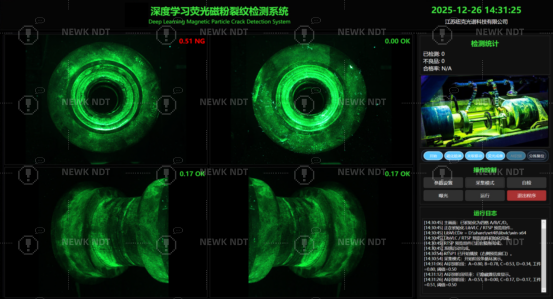
During inspection, the system magnetizes the workpiece and applies magnetic particles. If cracks or discontinuities exist, magnetic leakage fields attract particles and create visible indications. The AI vision system captures and analyzes these indications automatically.
Compared with manual inspection, AI-based MPI reduces human error and provides more reliable inspection results.
Advantages of AI-Based MPI Inspection
1. Improved Crack Detection Accuracy
Human inspection results may vary depending on operator experience, fatigue, and working conditions.
AI inspection systems can analyze images based on predefined algorithms, helping manufacturers achieve stable and repeatable inspection results.
2. Higher Production Efficiency
For mass production industries such as automotive parts manufacturing, inspection speed directly affects production capacity.
Automated MPI machines can integrate:
- Automatic loading and unloading
- Automatic magnetization
- Fluorescent inspection
- Image acquisition
- AI defect evaluation
- Inspection report generation
This significantly reduces inspection time.
3. Digital Inspection Records
Modern quality management requires traceability.
AI magnetic particle inspection systems can store:
- Inspection images
- Defect locations
- Inspection results
- Production information
These records help manufacturers meet strict quality standards.
Applications of AI Magnetic Particle Inspection
AI MPI systems are widely used for inspecting:
Automotive Components
Examples include:
- Gears
- Shafts
- Steering components
- Control arms
- Fasteners
These components experience high mechanical stress during operation and require reliable crack detection.
Aerospace Components
Aircraft components require extremely high safety standards. MPI is commonly used for:
- Landing gear parts
- Engine components
- Forged parts
Railway and Heavy Equipment
Large mechanical parts such as wheels, axles, and structural components also benefit from automated magnetic inspection.
AI MPI vs Traditional Manual Inspection
| Traditional MPI | AI MPI |
|---|---|
| Depends on operator experience | AI-assisted evaluation |
| Manual judgment | Automatic image analysis |
| Limited data storage | Digital inspection records |
| Variable inspection results | Consistent results |
Why Choose an Automated MPI Solution?
As manufacturing moves toward Industry 4.0, intelligent inspection technology is becoming an important part of quality control.
An AI magnetic particle inspection machine helps manufacturers improve:
- Product reliability
- Inspection efficiency
- Quality traceability
- Production automation
For companies producing critical components, investing in intelligent NDT equipment is not only a quality improvement but also a long-term competitiveness strategy.
Contact us for more AI MPI solutions.