Skip to content
1. Introduction
In modern manufacturing industries such as aerospace, automotive, railway, and energy equipment, Fluorescent Penetrant Inspection (FPI) is widely used to detect surface defects in critical components.
However, different industries and countries have different requirements for inspection processes, standards, and production capacity.
Therefore, customizing an efficient penetrant inspection line has become the preferred solution for many international customers.
2. Understand the Customer’s Inspection Requirements
Before designing an FPI line, manufacturers must first fully understand the customer’s application scenario.
Key parameters include:
-
Type of parts (gears, shafts, turbine blades, castings, welds)
-
Maximum size and weight of parts
-
Production capacity requirements
-
Inspection standards (ASTM, AMS, ISO, NADCAP, etc.)
-
Type of penetrant process
The most common penetrant processes include:
-
Water-washable penetrant
-
Post-emulsifiable penetrant
-
Solvent-removable penetrant
Understanding these factors helps ensure the inspection line meets both technical requirements and production efficiency.
3. Design of the Penetrant Inspection Process
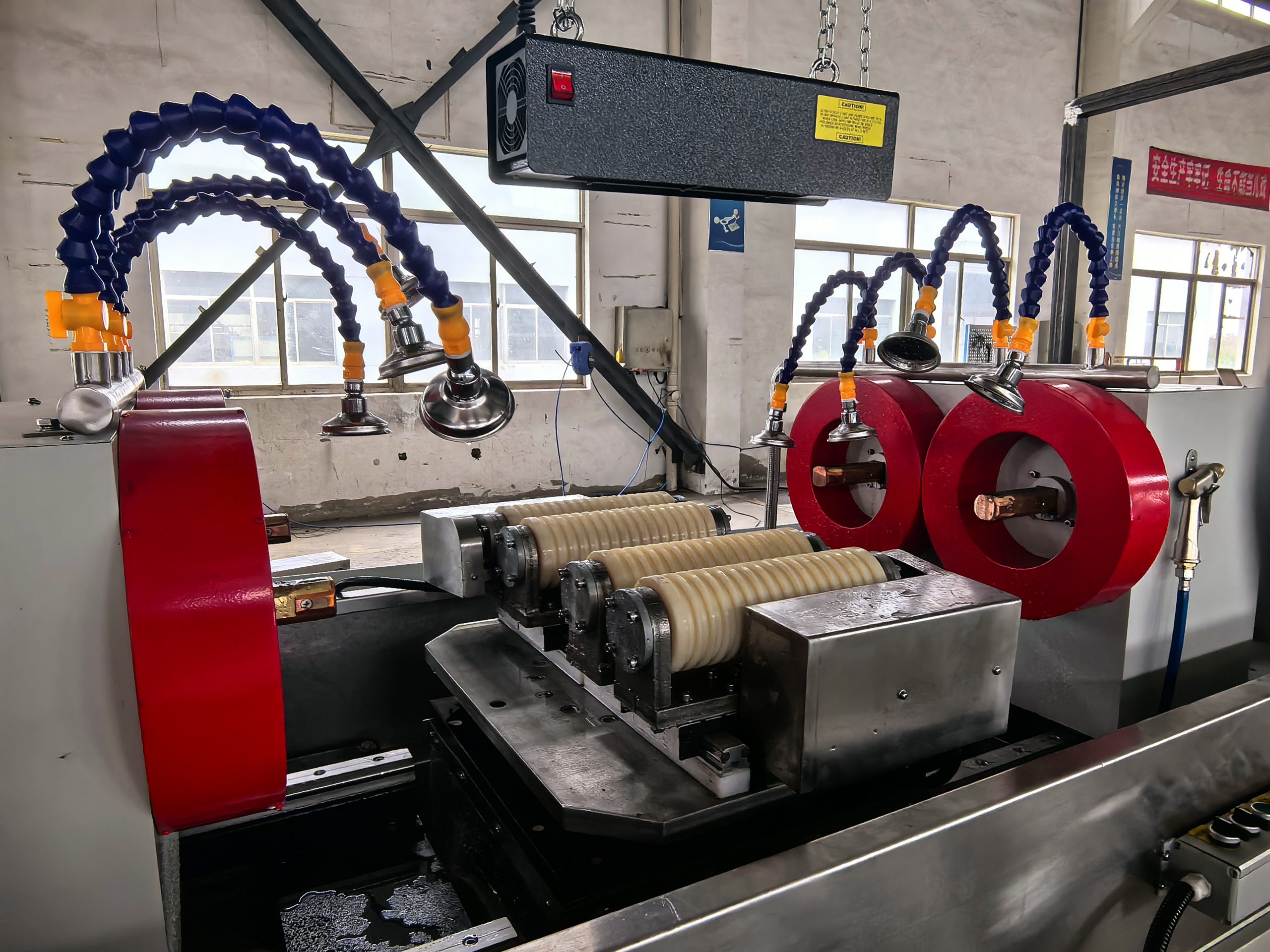
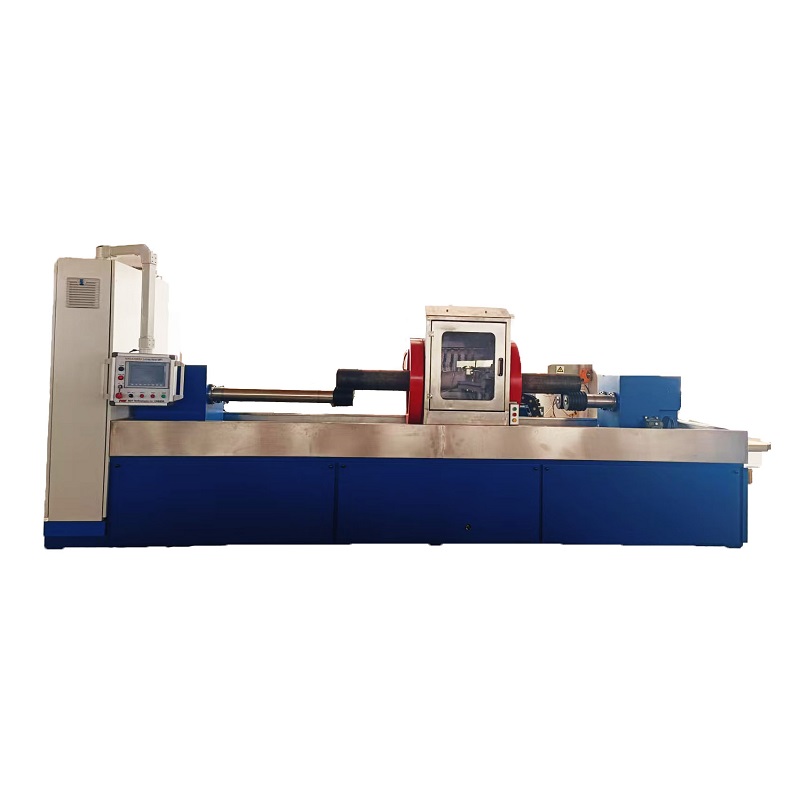
A typical fluorescent penetrant inspection line includes several functional stations:
-
Pre-cleaning
-
Drying
-
Penetrant application
-
Penetration time control
-
Emulsification (if required)
-
Water washing
-
Drying
-
Developer application
-
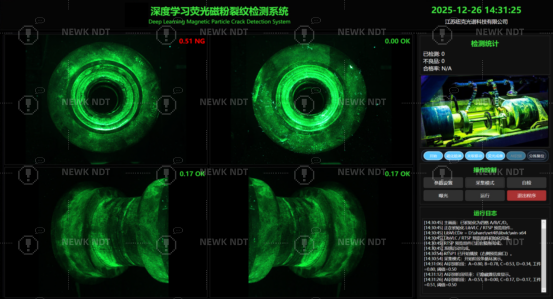
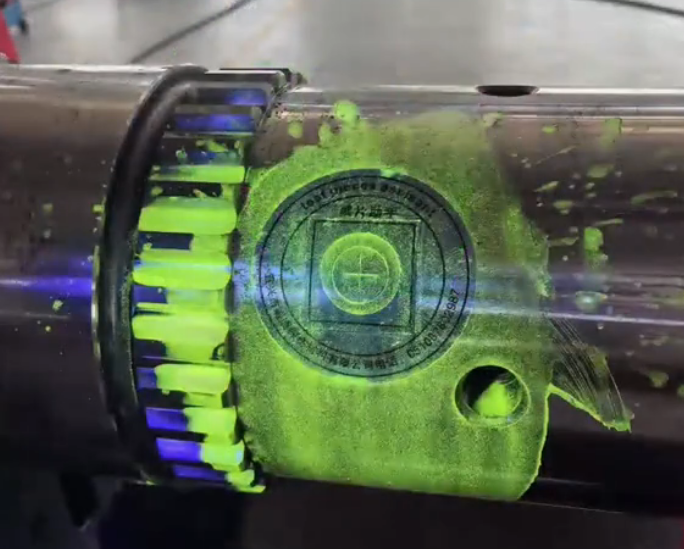
UV inspection
-
Post-cleaning (optional)
For overseas customers, the design often focuses on:
-
Automation level
-
Operator safety
-
Environmental protection
-
Energy efficiency
4. Automation vs Semi-Automatic Systems
When customizing an FPI line, choosing the right automation level is important.
Fully Automatic Penetrant Line
Advantages:
-
Higher inspection efficiency
-
Stable process control
-
Reduced labor cost
Suitable for:
-
Aerospace factories
-
Mass production lines
Semi-Automatic Penetrant Line
Advantages:
-
Lower investment cost
-
Flexible operation
-
Suitable for multiple part types
Suitable for:
-
MRO facilities
-
Small batch production
5. Key Design Factors for Overseas Projects
When exporting penetrant inspection lines, manufacturers should consider:
International Standards
Equipment may need to comply with:
-
ASTM E1417
-
AMS 2644
-
ISO 3452
-
NADCAP requirements
Electrical Standards
Different countries use different electrical systems:
-
380V / 50Hz
-
460V / 60Hz
Safety and Environmental Requirements
Many countries require:
-
VOC control
-
Wastewater treatment
-
Explosion-proof electrical components
6. Customization According to Customer Factory Layout
Another important step is customizing the inspection line layout.
Design engineers usually consider:
-
Available workshop space
-
Workflow direction
-
Operator access
-
Maintenance space
Common layouts include:
-
Linear layout
-
U-shape layout
-
Rotary indexing system
7. Reliable Supplier and After-Sales Support
For international customers, choosing an experienced manufacturer is crucial.
A professional supplier should provide:
-
Technical consultation
-
Process design
-
Equipment manufacturing
-
Installation guidance
-
Remote technical support
8. Conclusion
Customizing an efficient fluorescent penetrant inspection line requires a deep understanding of the customer’s inspection process, production capacity, and international standards.
With proper design and engineering expertise, a well-configured FPI system can significantly improve inspection accuracy, production efficiency, and product quality.