Skip to content
How to Choose the Right Magnetic Particle Inspection Equipment for Your Application
Magnetic particle inspection (MPI) is a widely used non-destructive testing method for detecting surface and near-surface discontinuities in ferromagnetic materials. It is commonly applied to steel forgings, castings, shafts, bearing components, railway parts, and other industrial products.
Choosing the right magnetic particle inspection equipment is essential for achieving reliable inspection results, maintaining production efficiency, and meeting applicable inspection requirements.
1. Understand the Workpiece Material and Geometry
The first step is to identify the material, dimensions, weight, and geometry of the workpieces to be inspected.
Different components require different magnetization arrangements. For example, bearing rings may require circular and longitudinal magnetization, while long shafts and crankshafts may need specialized clamping, contact heads, or coil configurations.
The equipment should be designed around the actual workpiece rather than selected solely by its maximum current rating.
2. Determine the Required Magnetization Methods
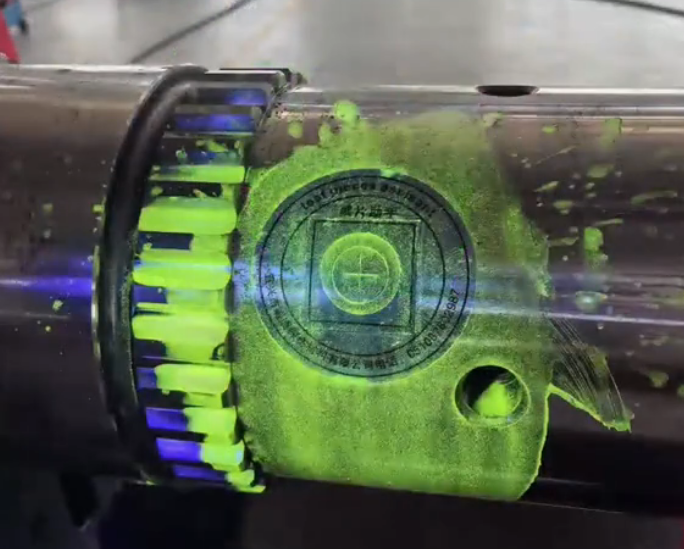
Magnetic particle inspection equipment commonly uses circular magnetization, longitudinal magnetization, or a combination of both.
- Circular magnetization: Produces a magnetic field around the current path and is suitable for detecting discontinuities oriented favorably to that field.
- Longitudinal magnetization: Produces a magnetic field along the workpiece and helps detect discontinuities with a different orientation.
- Multidirectional magnetization: Can apply magnetic fields in different directions, sometimes simultaneously, depending on the equipment design.
The required magnetization methods should be determined by the component geometry, expected defect orientation, and applicable inspection procedure.
3. Select the Appropriate Equipment Configuration
Magnetic particle inspection equipment is available in several configurations.
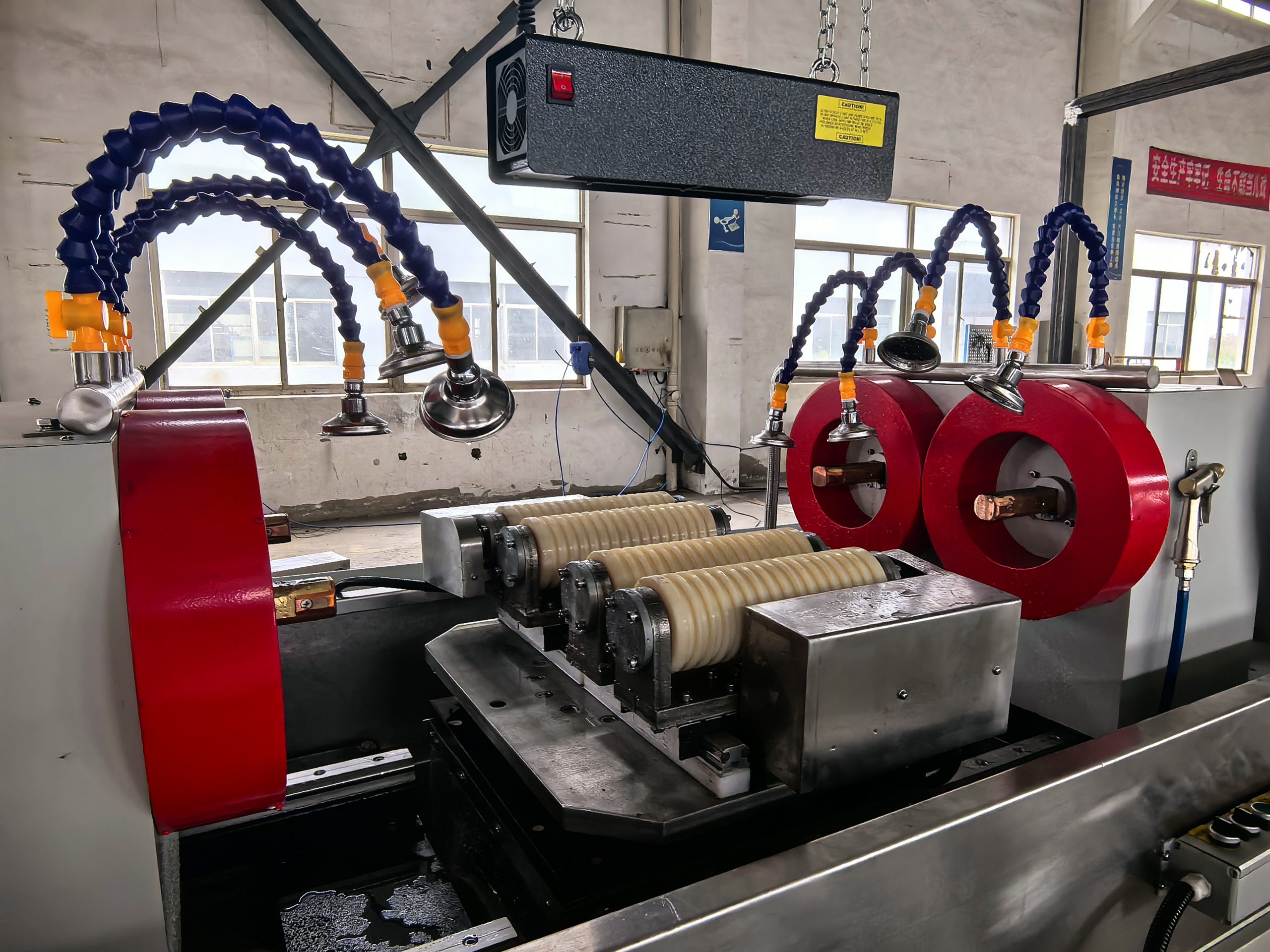
Bench-type MPI equipment is commonly used for repetitive inspection of small and medium-sized components, including bearing rings, fasteners, and machined parts.
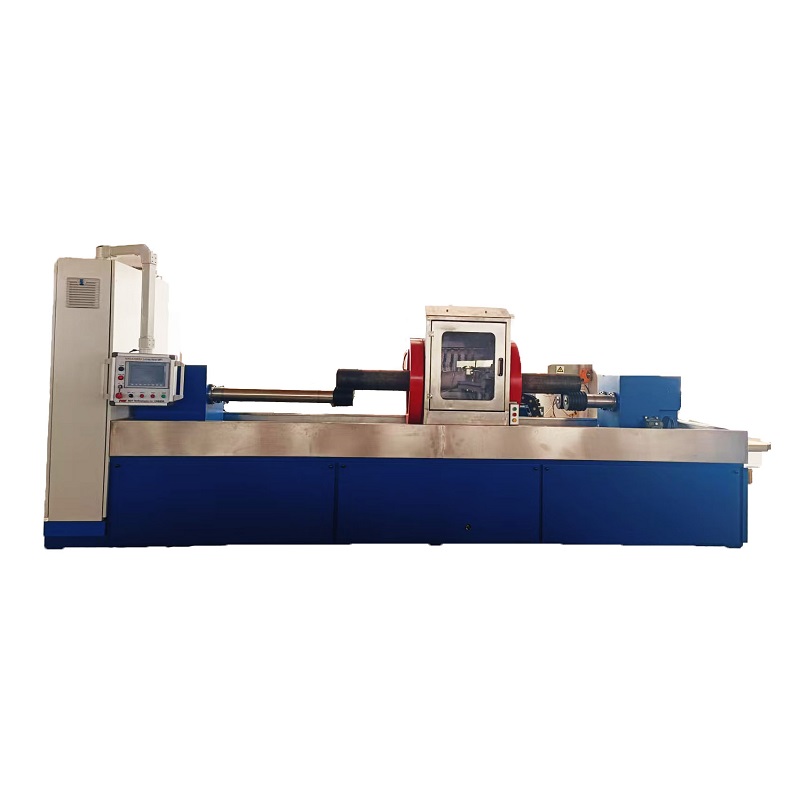
Heavy-duty MPI systems can be designed for large or heavy workpieces, such as railway axles, crankshafts, and industrial forgings.
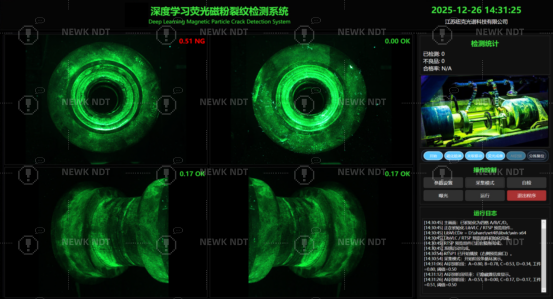
Automated MPI systems may incorporate workpiece handling, magnetic particle application, demagnetization, and inspection stations to support higher production requirements.
The most suitable configuration depends on the workpiece range, inspection volume, available floor space, and required level of automation.
4. Consider Inspection Standards and Process Requirements
Before purchasing equipment, confirm the applicable standards and customer specifications. Commonly referenced standards include ASTM E1444/E1444M, ASTM E709, as applicable to the inspection procedure.
The equipment configuration, magnetization parameters, inspection media, and verification methods should be evaluated against the actual requirements.
5. Work with an Experienced MPI Equipment Manufacturer
A qualified equipment manufacturer should be able to review workpiece drawings, discuss inspection requirements, and propose a suitable configuration.
At NEWK NDT, we provide magnetic particle inspection equipment solutions for industrial applications. By understanding the component dimensions, material, inspection requirements, and production capacity, we can help customers identify a suitable equipment configuration.
Request an MPI Equipment Solution
Looking for magnetic particle inspection equipment for your production line?
Contact NEWK NDT and share your workpiece drawings, dimensions, material, and inspection requirements. Our team can review your application and discuss a suitable solution.
NEWK NDT — Magnetic Particle Inspection Equipment Manufacturer