Skip to content
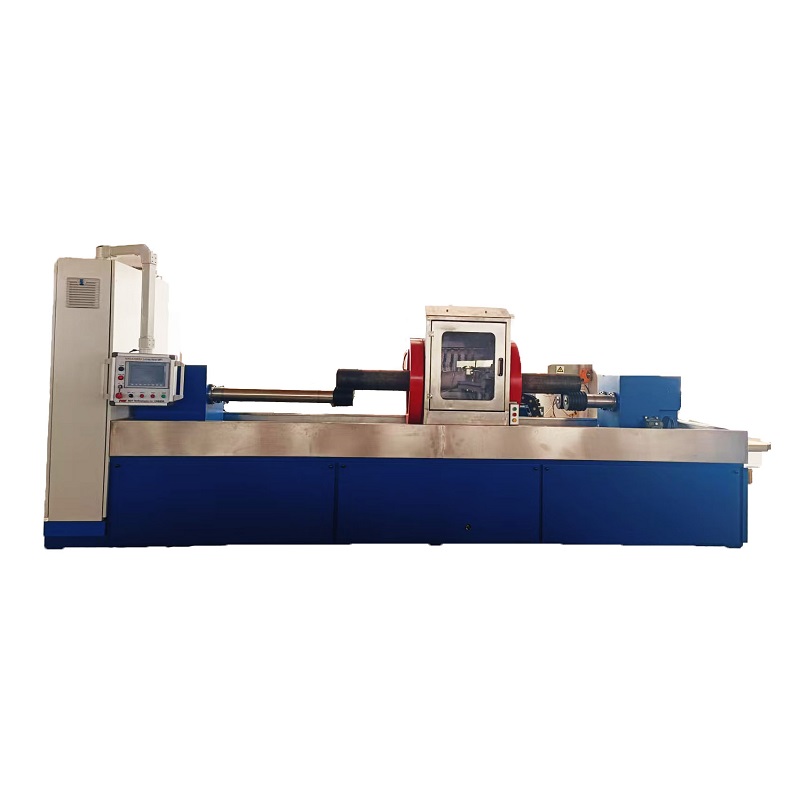
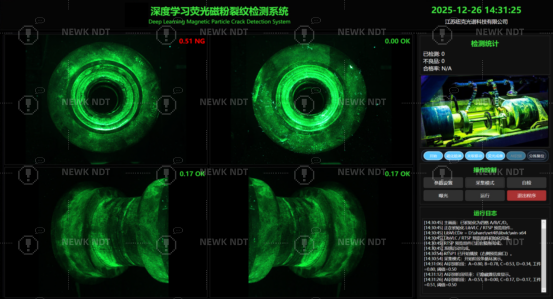
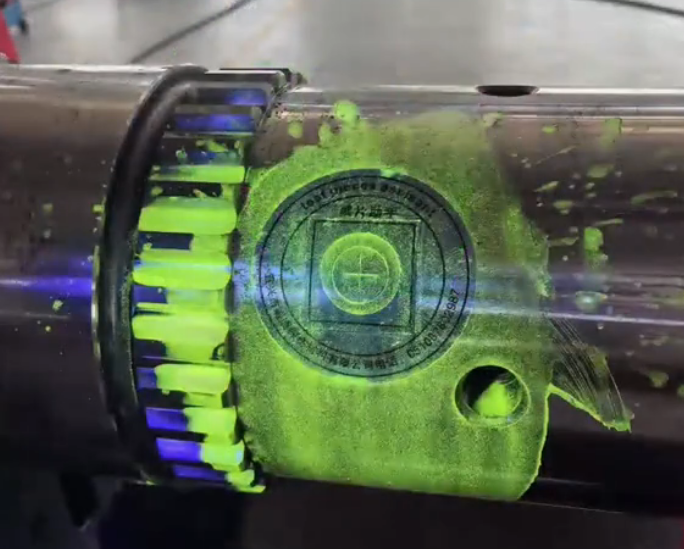
Magnetic Particle Inspection (MPI) is widely used to detect surface and near-surface defects in ferromagnetic components. When inspecting large or heavy components, standard MPI equipment may not provide sufficient magnetizing capacity, workpiece space, or handling capability. In these applications, specialized magnetic particle inspection equipment is often required.
Why Large Components Need Specialized MPI Equipment
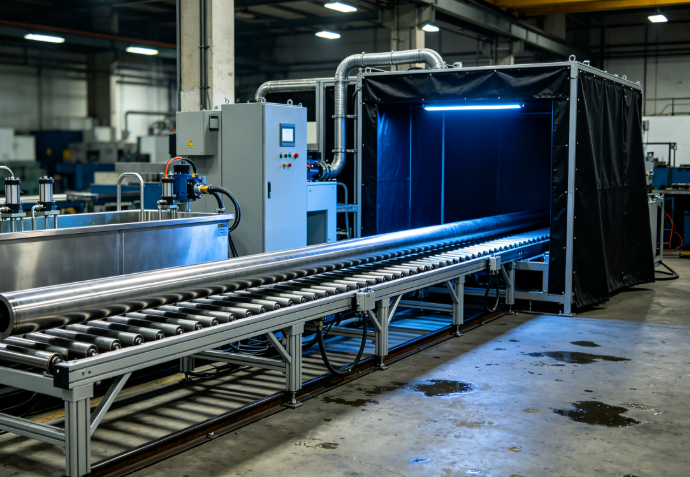
Large components typically have greater dimensions, higher weight, and more complex geometries. The MPI system must provide sufficient magnetizing force while allowing the workpiece to be positioned and inspected efficiently.
Important considerations include:
- Magnetizing current and magnetic field strength
- Workpiece length, diameter, and weight
- Circular and longitudinal magnetization
- Demagnetization capability
- Inspection cycle time
- Workpiece loading and handling
The equipment configuration should be selected according to the actual workpiece and inspection requirements rather than magnetizing current alone.
Typical Large Components Inspected by MPI
Magnetic particle inspection equipment for large components can be used for many industrial applications, including:
- Shafts and large forgings
- Crankshafts
- Railway axles and wheels
- Bearing components
- Heavy machinery parts
- Automotive and industrial components
- Other large ferromagnetic parts
Different components may require different magnetization methods and fixtures.
Key Features of Large-Component MPI Equipment
High Magnetizing Capacity
Large workpieces may require higher magnetizing current or a stronger magnetic field to achieve adequate inspection sensitivity. The required capacity depends on the material, geometry, dimensions, and applicable inspection standard.
Circular and Longitudinal Magnetization
Circular magnetization is commonly used to detect defects oriented approximately parallel to the current flow, while longitudinal magnetization can help detect defects with different orientations.
For large components, equipment capable of providing both magnetization directions can improve inspection coverage.
Flexible Workpiece Clamping
The headstock, tailstock, clamps, cables, and fixtures should be designed according to the dimensions and weight of the workpiece.
For large shafts, axles, crankshafts, and similar components, customized fixtures may be required.
Reliable Demagnetization
After inspection, residual magnetism may need to be reduced to an acceptable level. A suitable demagnetization system should therefore be considered when selecting equipment for large components.
Efficient Inspection Cycle
For production applications, the total inspection cycle is important. Magnetization, magnetic particle application, inspection, demagnetization, and workpiece handling all affect production efficiency.
How to Select MPI Equipment for Large Components
Before selecting a magnetic particle inspection machine, buyers should provide basic information about the workpiece, including:
- Maximum and minimum dimensions
- Maximum workpiece weight
- Material
- Required magnetization methods
- Inspection standard
- Expected production volume
- Required inspection cycle time
- Demagnetization requirements
Based on this information, the manufacturer can determine the appropriate magnetizing capacity, clamping system, coil size, fixtures, and other equipment configuration.
Customized MPI Equipment for Large Workpieces
Large-component MPI equipment is often customized because workpiece dimensions, weight, magnetization requirements, and production conditions can vary significantly from one application to another.
NEWK NDT provides customized magnetic particle inspection equipment for large shafts, crankshafts, railway components, bearing components, and other industrial parts.
For a suitable equipment proposal, customers can provide the workpiece drawings or basic dimensions, material, weight, inspection requirements, and expected production capacity.
Conclusion
Selecting magnetic particle inspection equipment for large components requires consideration of more than magnetizing current. Workpiece dimensions, weight, magnetization methods, demagnetization, fixtures, inspection cycle, and production requirements should all be considered together.
A properly configured MPI system can provide reliable defect detection while improving inspection efficiency for large and heavy components.