Skip to content
Introduction
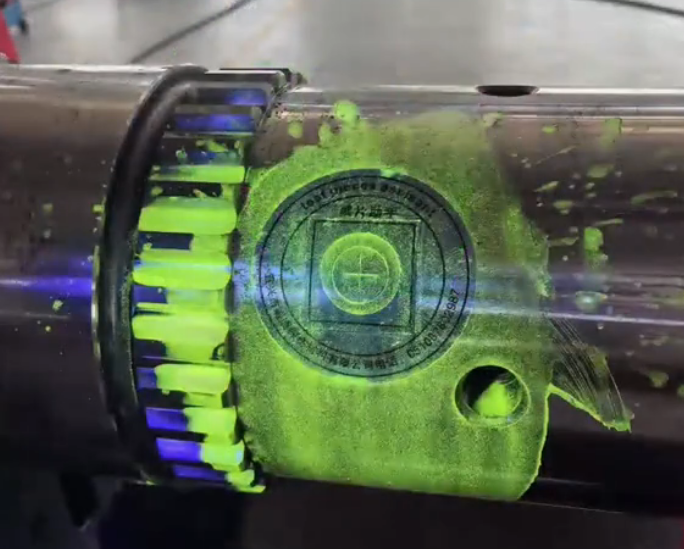
Fluorescent Penetrant Inspection (FPI) is a widely used non-destructive testing (NDT) method for detecting surface-breaking defects on non-porous materials, including aluminum alloys, stainless steel, and other metal components.
For long tube components used in aerospace, aviation, energy, and industrial applications, conventional manual penetrant inspection methods may face challenges such as uneven process control, difficult cleaning, and limited inspection efficiency.
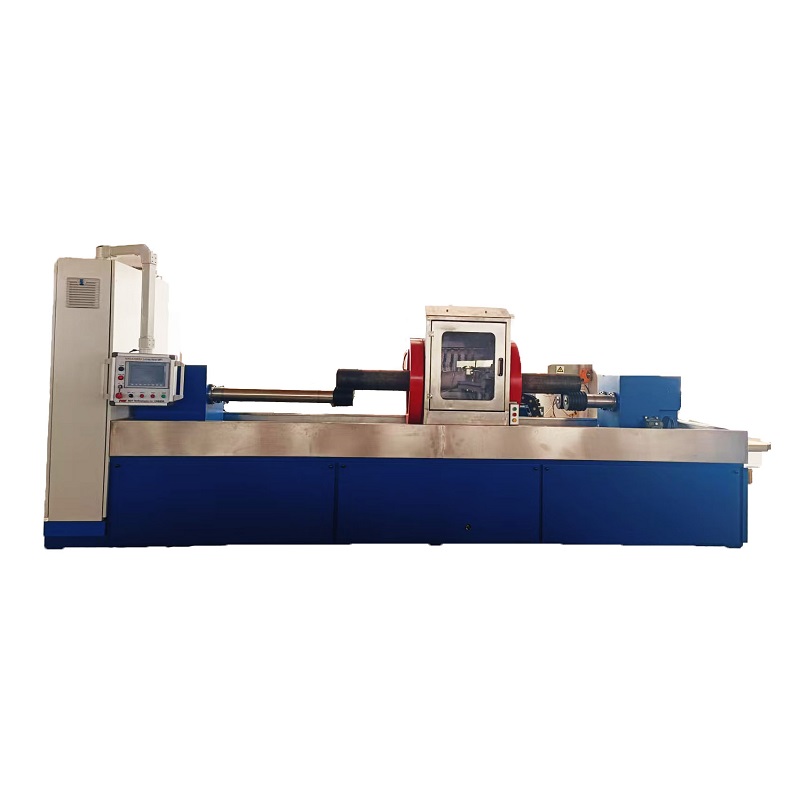
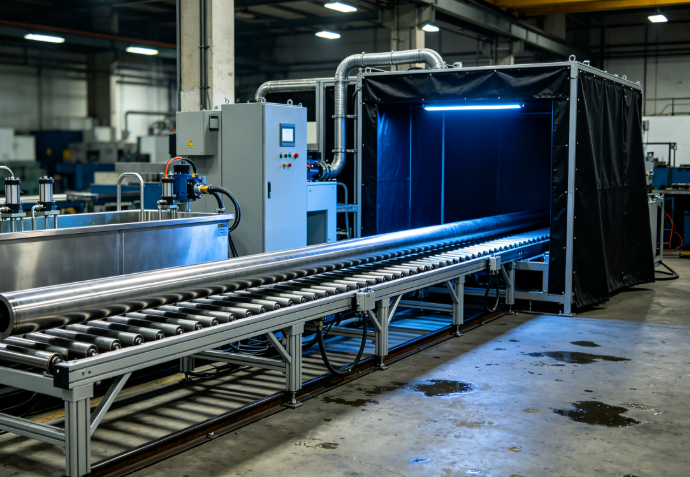
To address these challenges, NDT manufacturers provide customized fluorescent penetrant inspection lines for long tubes, integrating automated handling, penetrant application, cleaning, drying, and fluorescent inspection processes.
Challenges in Fluorescent Penetrant Inspection of Long Tubes
Long tube inspection is more complex compared with small components due to the special geometry and process requirements.
1. Difficulty in Uniform Penetrant Application
Long tubes usually have large surface areas and different diameters. A stable penetrant application process is required to ensure complete surface coverage and consistent inspection sensitivity.
For immersion-type FPI systems, the workpiece can be completely immersed in fluorescent penetrant to achieve uniform coverage.
2. Prevention of Internal Penetrant Residue
For hollow components, one major challenge is preventing excessive penetrant from entering the internal cavity.
A customized FPI solution may use a hydraulic end sealing system before immersion processing. The sealing mechanism can reduce penetrant entering the tube interior, which helps improve subsequent cleaning efficiency.
The sealing structure can be designed with:
- One fixed sealing end;
- One movable sealing end;
- Hydraulic pressure control;
- Adjustable sealing speed and holding pressure.
This design allows the system to accommodate different tube lengths.
Process Flow of a Long Tube FPI Inspection Line
A customized long tube fluorescent penetrant inspection system typically includes the following processes:
1. Automatic Loading System
The loading system transfers tubes into the inspection line accurately and safely.
Typical functions include:
- Servo-driven transportation;
- Tube positioning;
- Single-piece separation;
- Automatic transfer to the inspection station.
The loading method can be customized according to customer requirements, including manual loading, crane-assisted loading, or automatic feeding systems.
2. Hydraulic Sealing Immersion Penetrant Unit
The immersion penetrant unit is the core process station.
The tube is positioned and sealed at both ends before entering the fluorescent penetrant tank.
Main features include:
- Immersion-type fluorescent penetrant processing;
- Hydraulic end sealing mechanism;
- One fixed end and one movable end design;
- Adjustable immersion speed and dwell time;
- Penetrant circulation and filtration system.
The hydraulic sealing structure helps reduce penetrant contamination inside the tube and improves cleaning performance.
3. Dripping and Transfer System
After the penetration process, excess penetrant needs sufficient time to drain back.
The dripping station is designed to:
- Recover excess penetrant;
- Reduce penetrant consumption;
- Prevent contamination of following cleaning processes.
The transfer system can use servo-driven or controlled intermittent movement to maintain accurate process timing.
4. Cleaning and Drying System
Effective cleaning is critical for fluorescent penetrant inspection because excessive residual penetrant may affect defect interpretation.
The cleaning system may include:
High-pressure Spray Cleaning
- Multi-direction spray nozzles;
- 360° coverage of tube surface;
- Adjustable spray pressure and flow;
- Filtration system for cleaning solution.
Multi-stage Air Drying
A multi-stage air knife system can remove remaining moisture:
- High-pressure air removes water droplets;
- Heated air accelerates drying;
- Normal-temperature air completes final drying.
5. Developer Application
After cleaning and drying, developer is applied to improve defect indication visibility.
For large and customized tube components, developer application can be designed according to production requirements.
Possible methods include:
- Manual spray application;
- Semi-automatic spraying;
- Customized automatic spraying systems.
The selection depends on component size, production volume, and inspection standards.
6. Fluorescent Inspection Darkroom
The inspection darkroom provides a controlled environment for defect observation.
Features include:
- Light-shielding structure;
- UV illumination system;
- Rotating support mechanism;
- Full surface inspection capability.
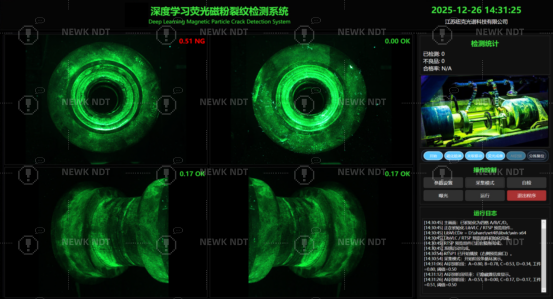
During inspection, the tube can rotate slowly along its axis, allowing operators or automated vision systems to inspect the complete outer surface.
Customized FPI Solutions for Aerospace and Industrial Components
Every component has different requirements regarding:
- Material;
- Size;
- Weight;
- Production capacity;
- Inspection standard.
Therefore, a customized fluorescent penetrant inspection line is often required for large or special-shaped components.
Typical applications include:
- Aerospace tubes;
- Aircraft engine components;
- Aluminum alloy parts;
- Steel components;
- Forged components.
A professional NDT equipment manufacturer can design the complete system according to customer specifications, including process layout, automation level, and inspection requirements.
Conclusion
A customized automatic fluorescent penetrant inspection line for long tubes provides an effective solution for manufacturers requiring reliable surface defect detection.
By integrating hydraulic sealing, immersion penetrant processing, cleaning, drying, developer application, and fluorescent inspection, the system can improve inspection consistency and production efficiency.
For aerospace and industrial manufacturers, customized FPI equipment offers a flexible approach to meet different component sizes and quality control requirements.
Contact us for more solutions.