Skip to content
What is Nadcap?
Nadcap (National Aerospace and Defense Contractors Accreditation Program) is a globally recognized accreditation program for special processes in the aerospace and defense industry.
For manufacturers of critical aerospace components such as engine parts, landing gear, fasteners, and structural assemblies, Nadcap accreditation is often a mandatory requirement to enter the aerospace supply chain.
In Non-Destructive Testing (NDT), Nadcap commonly covers:
- Fluorescent Penetrant Inspection (FPI)
- Magnetic Particle Inspection (MPI)
- Ultrasonic Testing (UT)
- Radiographic Testing (RT)
- Eddy Current Testing (ECT)
Among these, FPI and MPI are the most widely used surface defect inspection methods in aerospace manufacturing.
Why Nadcap Compliance Matters in Aerospace Manufacturing
As aerospace quality requirements continue to increase, general inspection standards alone are no longer sufficient for supplier qualification.
Major aerospace OEMs requiring Nadcap compliance include:
- Boeing
- Airbus
- GE Aerospace
- Pratt & Whitney
- Rolls-Royce
- Honeywell
For suppliers, Nadcap accreditation is not only a quality certification but also a key entry requirement into global aerospace supply chains.
Therefore, many companies design their NDT facilities—especially FPI and MPI lines—according to Nadcap audit expectations from the very beginning.
Nadcap Requirements for FPI Systems
Although Nadcap does not certify equipment directly, the inspection system must fully support compliance with relevant aerospace standards, including:
- ASTM E1417 / E1417M
- ASTM E165
- AMS 2644
- ISO 3452
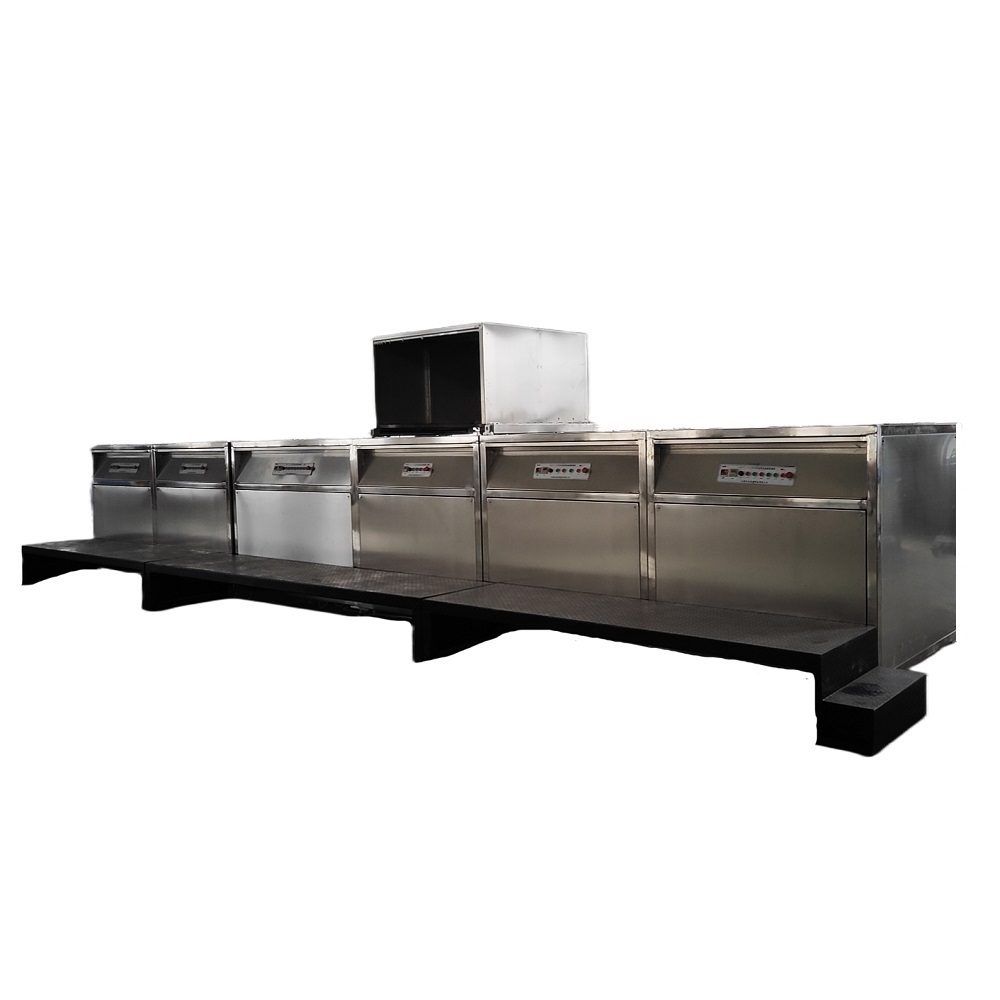
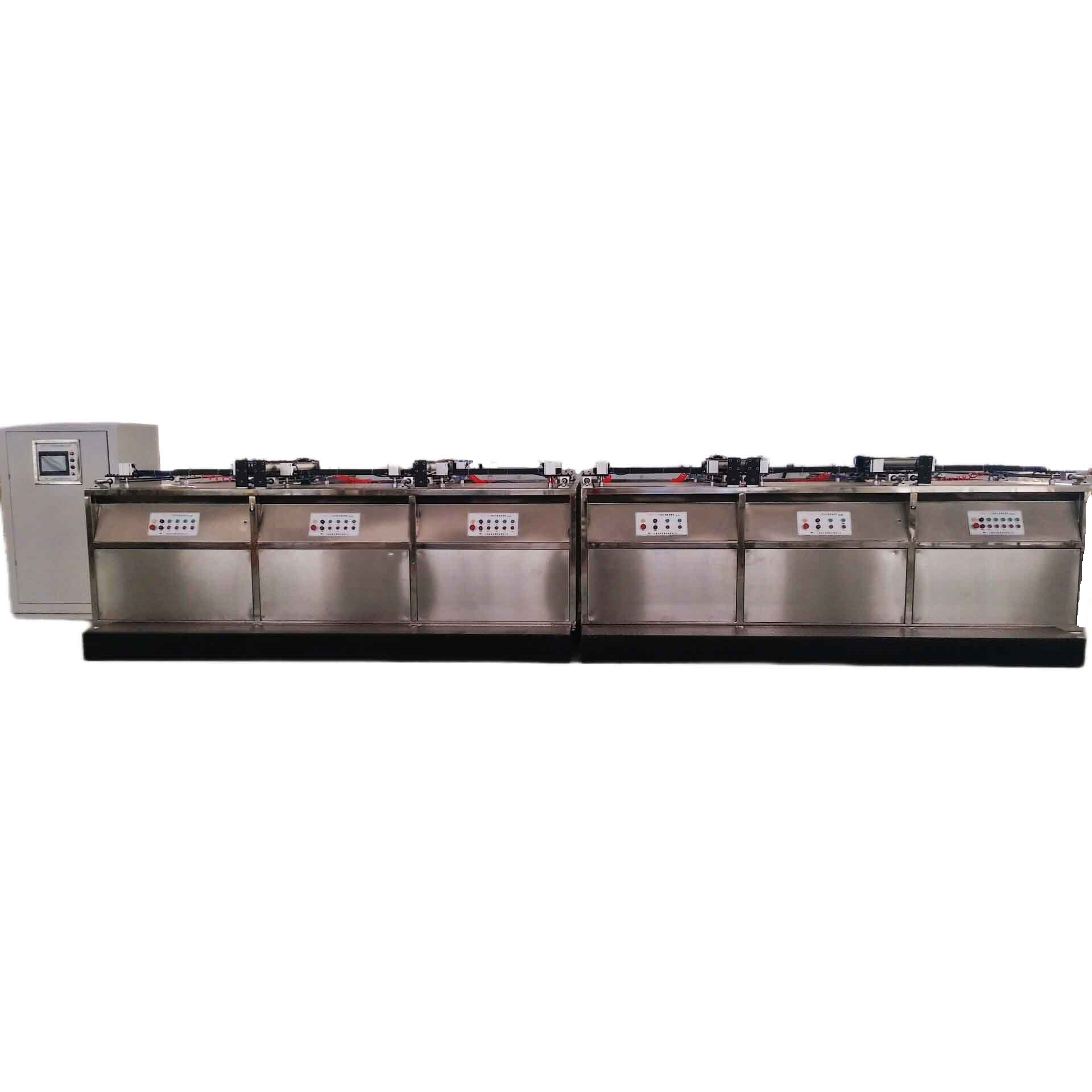
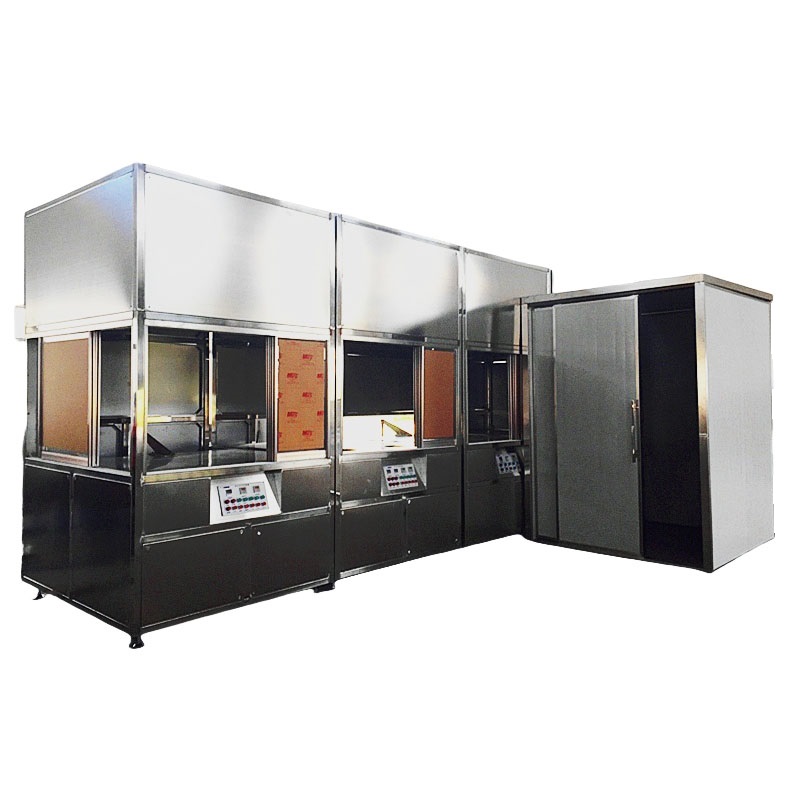
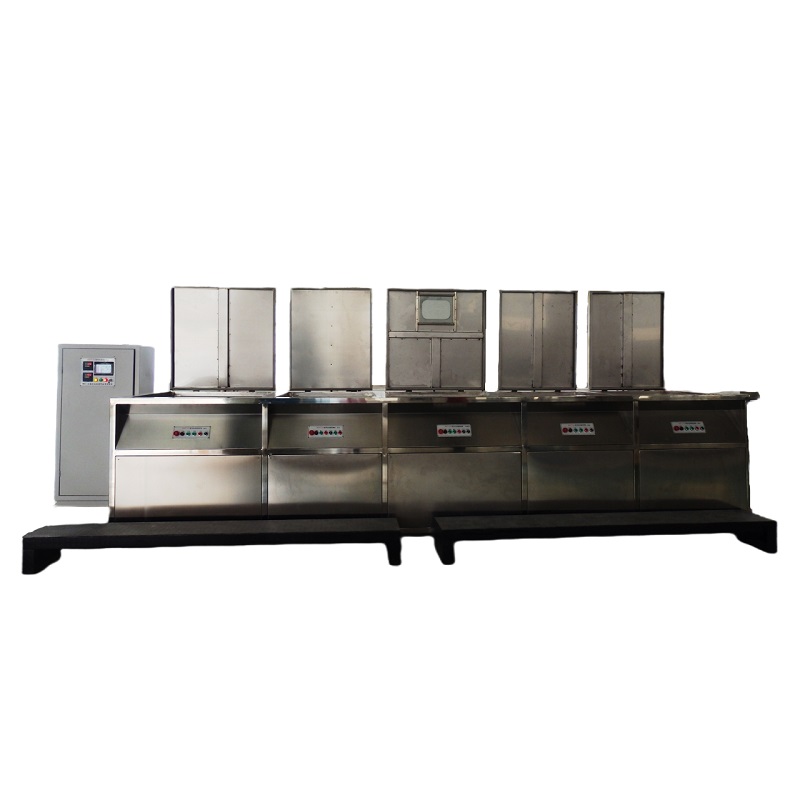
A typical aerospace-grade Fluorescent Penetrant Inspection (FPI) system includes:
1. Pre-Cleaning Station
Ensures the surface is properly cleaned to allow penetrant to enter surface-breaking defects effectively.
Typical options:
- Ultrasonic cleaning
- Spray washing
- Hot air drying
2. Penetrant Application System
Ensures uniform and consistent application of penetrant on all part surfaces.
3. Water Wash Station
Controls removal of excess penetrant without affecting indication development inside defects.
4. Drying Oven
Controls temperature and time to ensure stable and repeatable inspection results.
5. Developer Application System
Enhances visibility of indications for defect detection.
6. UV Inspection Booth
Critical requirements include:
- Stable UV-A intensity
- Controlled ambient white light level
- Uniform inspection area lighting
Nadcap Requirements for MPI Systems
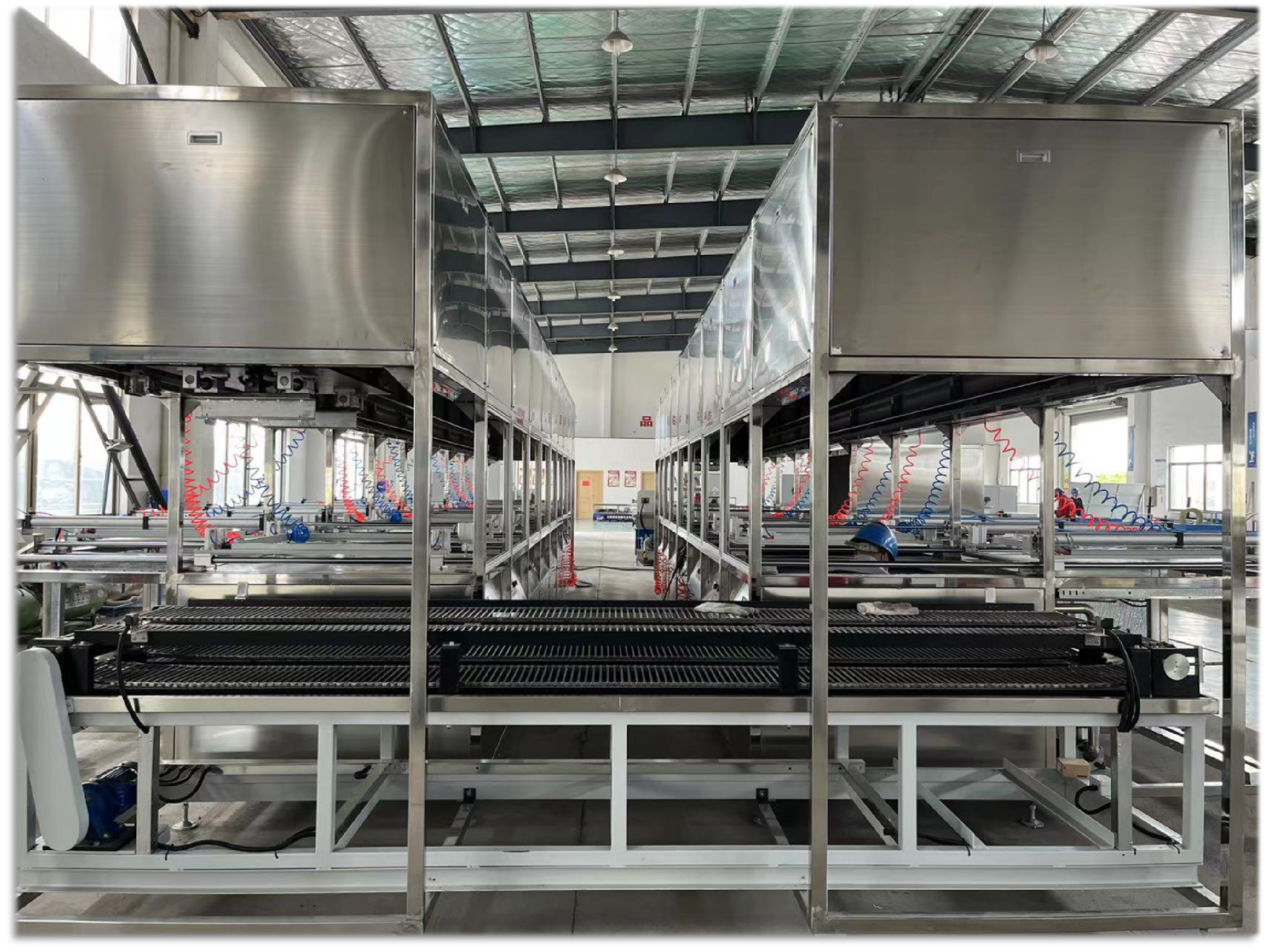
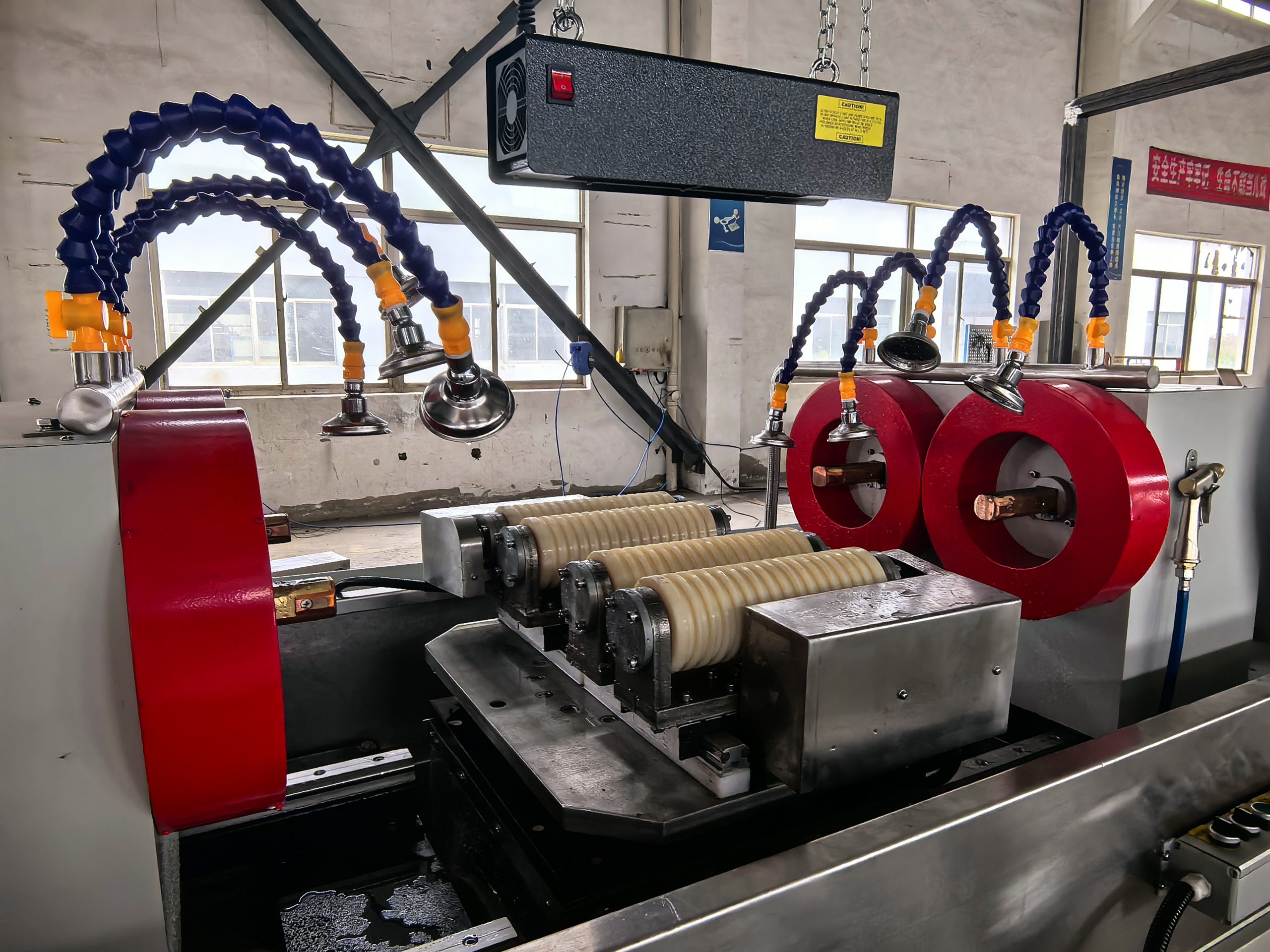
Magnetic Particle Inspection (MPI) is widely used for detecting surface and near-surface defects in:
- Engine components
- Landing gear parts
- Forgings and castings
- Fasteners
Relevant standards include:
- ASTM E1444 / E1444M
- ASTM E709
- ISO 9934
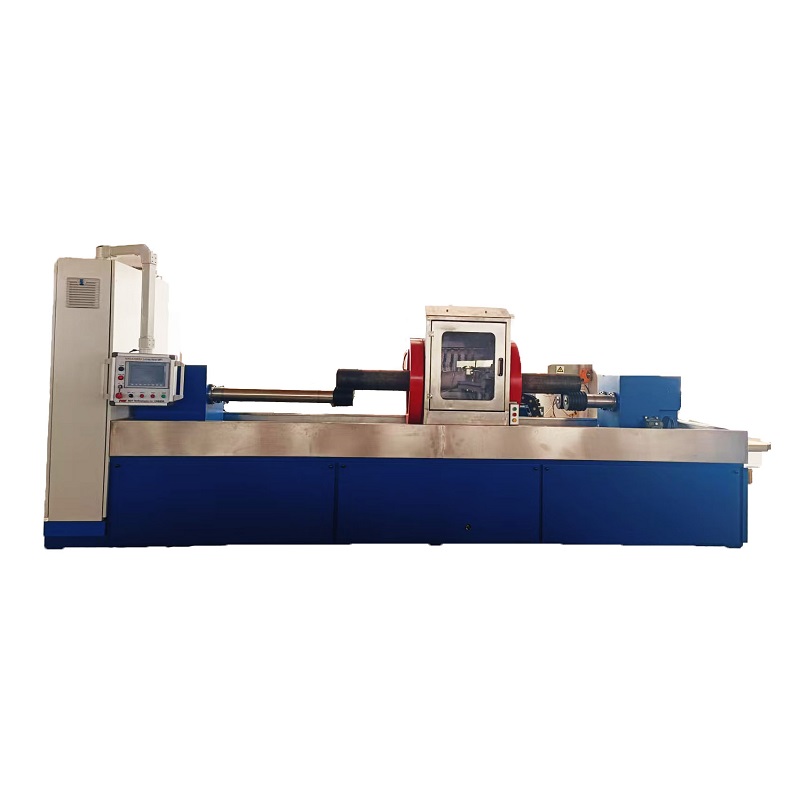
A typical aerospace MPI system includes:
1. Circular Magnetization
Used to detect longitudinal cracks.
2. Longitudinal Magnetization
Used to detect transverse defects.
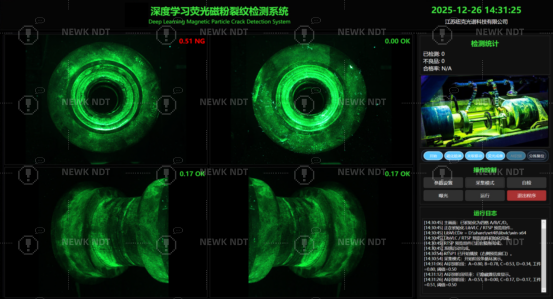
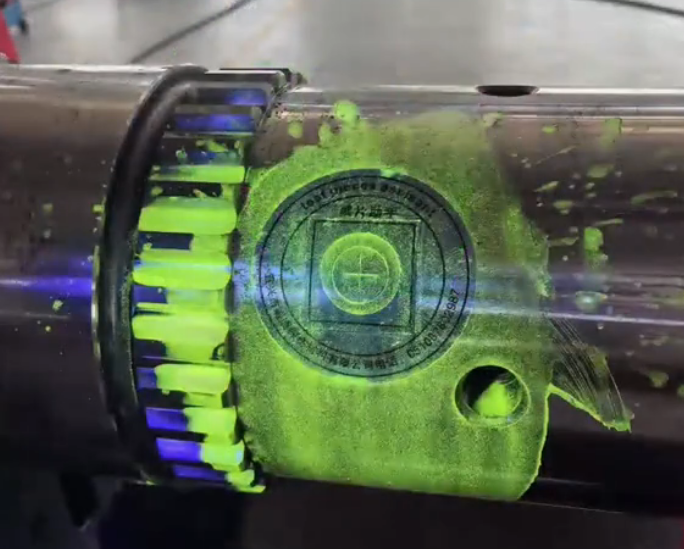
3. Wet Fluorescent Magnetic Particle System
Provides high sensitivity for fine crack detection.
4. UV Inspection Booth
Ensures proper dark environment and controlled lighting conditions.
5. Demagnetization Unit
Reduces residual magnetism after inspection.
6. Field Strength Verification Tools
Such as:
- QQI (Quantitative Quality Indicator)
- Magnetic Field Indicators
- Gauss Meter
What Makes an FPI/MPI System “Nadcap Ready”?
For companies planning future Nadcap accreditation, the inspection system should support:
Process Parameter Monitoring
- Temperature control
- Timing control
- Pressure monitoring
- Chemical concentration control
Data Recording and Traceability
- Digital process logs
- Inspection traceability records
- Calibration records
Calibration Management
- UV light intensity calibration
- Radiometer calibration
- Magnetic field measurement calibration
Standardized Operating Procedures
Equipment should support consistent SOP implementation aligned with aerospace audit requirements.
How to Choose an Aerospace NDT Equipment Supplier
When selecting an FPI or MPI system supplier, key factors include:
Aerospace Industry Experience
Whether the supplier has experience in:
- Aerospace components
- Engine manufacturing
- High-reliability inspection systems
Engineering Customization Capability
Each facility requires a tailored layout and process design based on:
- Part size and weight
- Production throughput
- Inspection standard requirements
Technical Support Capability
Including:
- Installation and commissioning
- Operator training
- Process guidance
- Documentation support
Long-Term Service Capability
Ensuring stable operation throughout the full equipment lifecycle.
Conclusion
As aerospace manufacturing continues to evolve, Nadcap compliance has become a critical requirement for suppliers in the global aerospace supply chain.
Properly designed FPI and MPI systems not only ensure reliable defect detection but also support companies in achieving Nadcap accreditation and improving overall quality control capability.
For companies entering or expanding in the aerospace sector, selecting an inspection system that is designed with Nadcap readiness in mind is a key step toward long-term competitiveness.
Contact
If you are planning to establish an aerospace NDT facility or upgrade your existing inspection line to meet Nadcap requirements, we can provide complete engineering support including FPI systems, MPI systems, layout design, and technical consultation.
Our solutions are designed for aerospace-grade inspection standards and can be customized according to your process requirements and facility layout.
👉 Contact us to get a tailored proposal and budgetary quotation for your Nadcap-ready FPI & MPI systems.