
How to Choose the Right Magnetic Particle Inspection Machine for Your Industry
How to choose the right Magnetic Particle Inspection machine is critical to achieving accurate, efficient, and cost-effective flaw detection in your production or quality control process. With a variety of equipment types and configurations available, selecting the best solution depends on several factors, including your industry requirements, workpiece size, inspection volume, and sensitivity needs.
Below, we share key considerations to help you make the right choice.
1️⃣ Understand Your Application
Different industries have different standards and priorities:
-
🔩 Fastener & Hardware Manufacturing: Focus on high-speed, batch testing of small parts. A rotary table or conveyor-type MPI machine is ideal.
-
✈️ Aerospace & Defense: Requires the highest sensitivity and compliance with standards like ASTM E1444, NAS-410, and EN 4179. Use fluorescent wet MPI systems with UV lighting.
-
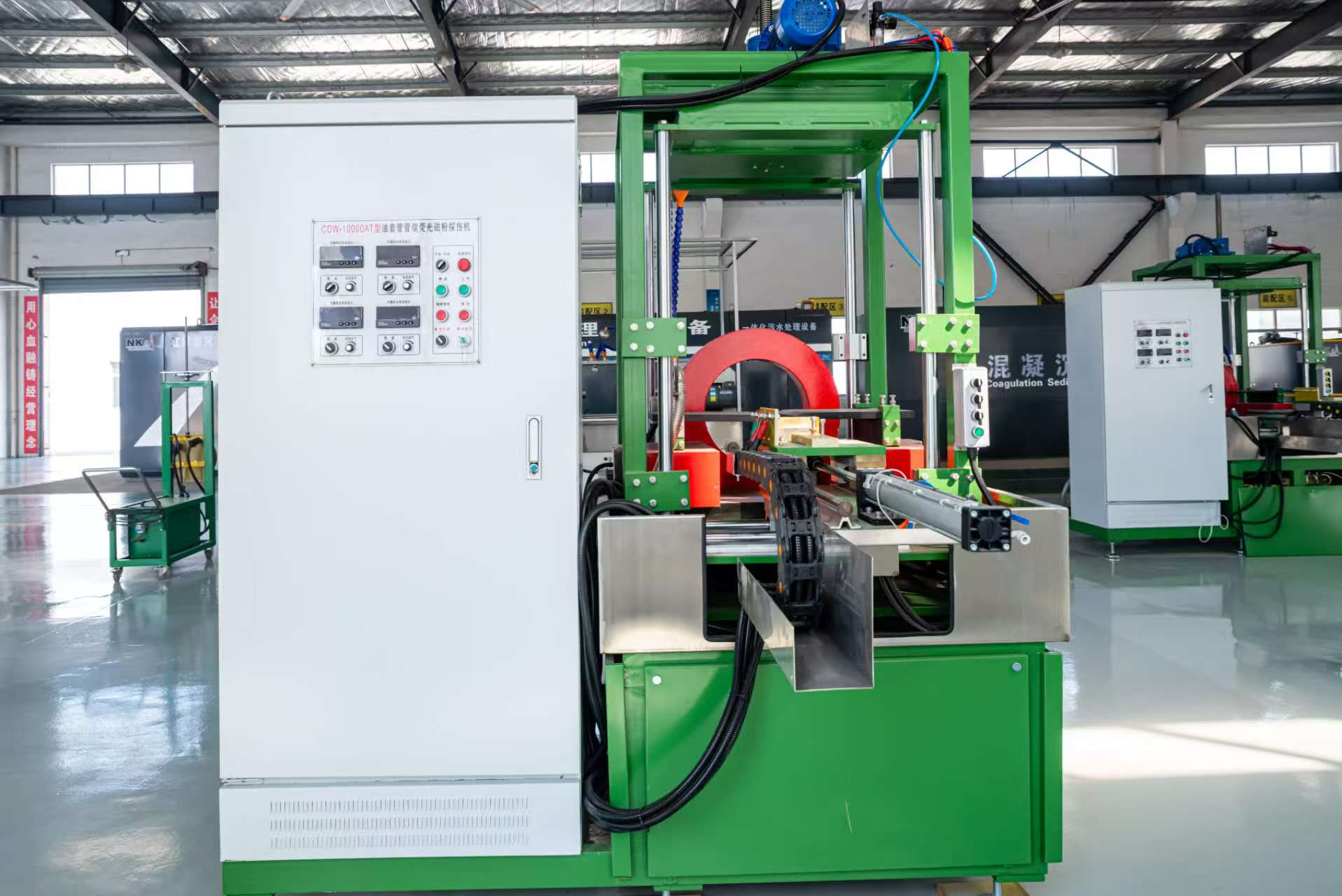
🛢️ Oil & Gas (Casing, Tubing): Often involves large-diameter parts. Heavy-duty bench-type or automated end-face MPI machines are commonly used.
-
🚗 Automotive Components: Mid-sized, mass-produced parts benefit from semi-automated bench systems or multi-directional magnetization setups.
2️⃣ Choose the Right Magnetization Method
-
Circular Magnetization: Detects longitudinal cracks
-
Longitudinal Magnetization: Detects transverse cracks
-
Multi-directional Magnetization: For complex-shaped components requiring high defect coverage in one cycle
Your choice should match the expected defect orientation in your components.
3️⃣ Consider the Inspection Environment
-
Portable MPI Yokes: Ideal for field inspection or weld joints
-
Fluorescent MPI Systems: Require a darkroom and UV light source, but offer the highest detection sensitivity
-
Dry MPI Machines: Simpler and suitable for surface flaws on large or rough components
4️⃣ Look for Standards Compliance & Safety Features
Ensure the machine complies with relevant NDT standards, such as:
-
ASTM E709 / E1444
-
ISO 9934
-
JB/T 8290-2011 (China)
Also, consider features like:
-
Overcurrent protection
-
Emergency stop
-
Interlock UV shielding
-
Digital amp meter control
🏭 We Help You Choose the Right Solution
As a specialized manufacturer of Magnetic Particle Inspection equipment, we offer:
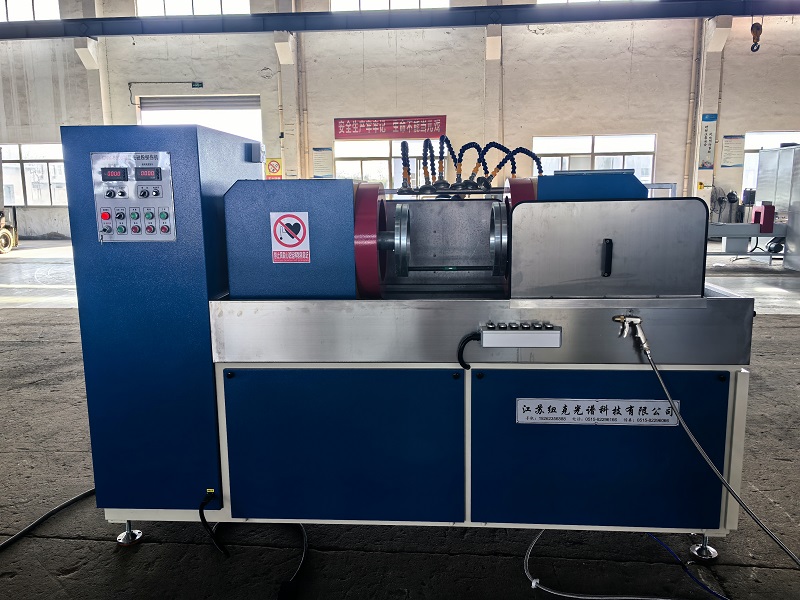
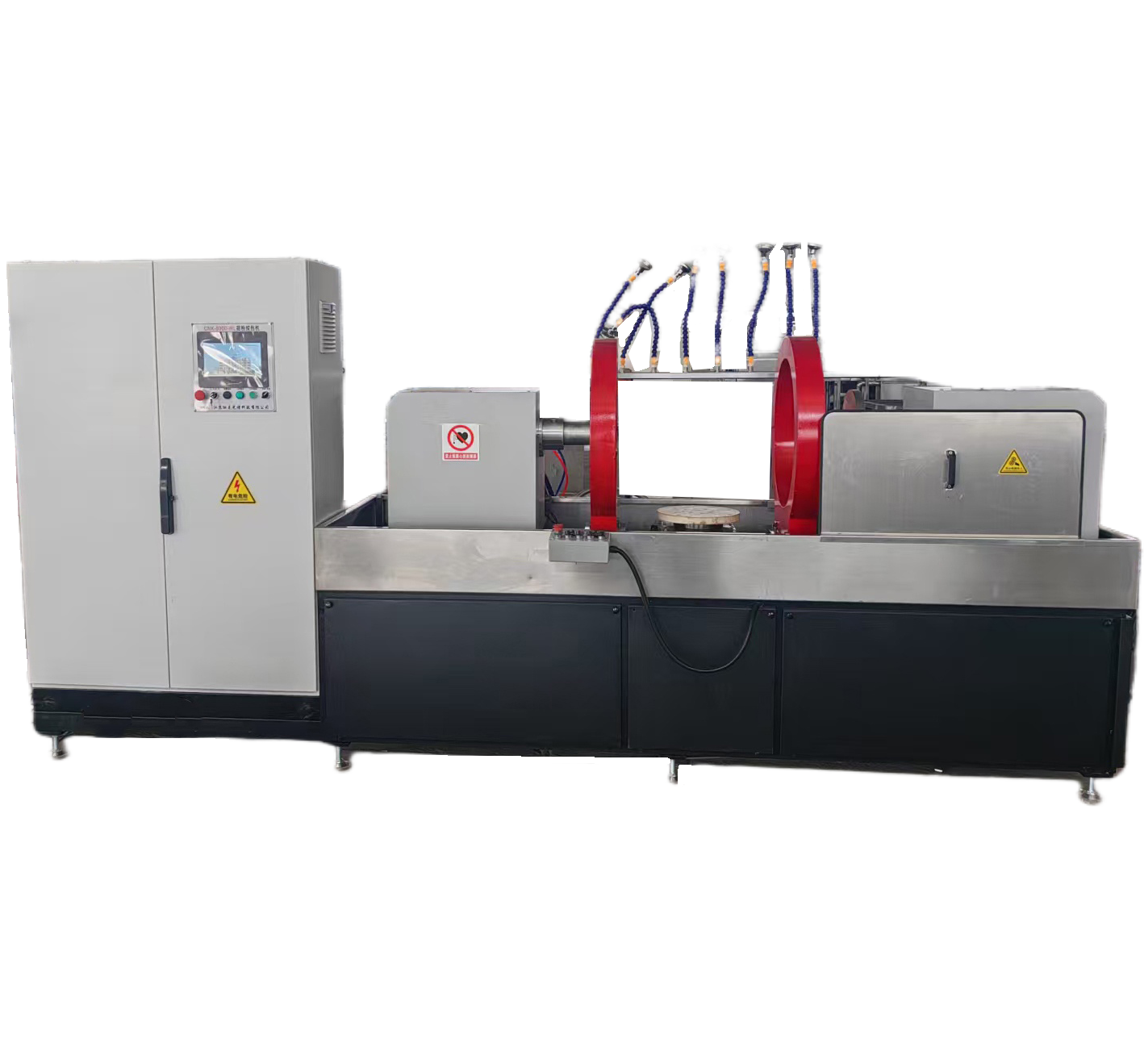
✅ Bench-type MPI machines (AC/DC/combined magnetization)
✅ Fluorescent MPI systems with UV LED light
✅ Custom-made solutions for oil casing, fasteners, and more
✅ Accessories: Magnetic inks, test blocks, yokes, UV lamps
Let us know your workpiece size, inspection volume, and technical requirements — our team will recommend the best-fit system for your needs.
📩 Request a Free Consultation Now
Email: Irene@nksmartmeter.com
🌎 Global Export | OEM Support | Fast Lead Times
SEO Tags: how to choose MPI machine, magnetic particle inspection, flaw detection machine, fluorescent MPI, oil casing inspection, fastener NDT, magnetic yoke, UV inspection system, non-destructive testing supplier