Introduction
In the aerospace industry, safety and reliability are the highest priorities. Aircraft components are exposed to extreme operating conditions, including high temperatures, cyclic stress, vibration, and corrosive environments. Over time, these conditions may cause surface cracks, fatigue damage, and other defects that could compromise structural integrity.
To prevent failures and ensure airworthiness, aircraft components must undergo rigorous inspection throughout their service life. One of the most widely used non-destructive testing methods in aerospace maintenance is Fluorescent Penetrant Inspection (FPI).
FPI is a highly sensitive inspection method used to detect surface-breaking defects in metallic and non-metallic materials. It plays a critical role in MRO (Maintenance, Repair, and Overhaul) operations, where aircraft engines and structural components are regularly inspected to ensure continued safe operation.
As modern MRO facilities handle increasingly complex and high-value components, the demand for automated and highly reliable FPI inspection systems continues to grow.
Understanding MRO in the Aerospace Industry
What is MRO?
MRO stands for Maintenance, Repair, and Overhaul, which refers to the processes required to keep aircraft and their components in safe operating condition.
MRO activities typically include:
-
Scheduled maintenance inspections
-
Repair of damaged components
-
Replacement of worn parts
-
Complete overhaul of engines and assemblies
-
Structural inspection and certification
Aircraft engines, landing gear, and structural components are periodically removed and inspected in specialized MRO facilities. These facilities rely heavily on non-destructive testing (NDT) methods to identify defects without damaging the parts.
Among various NDT techniques, Fluorescent Penetrant Inspection is one of the most effective methods for detecting small surface defects.

The Role of Fluorescent Penetrant Inspection in MRO
Principle of FPI
Fluorescent Penetrant Inspection works on a simple but highly effective principle.
A special fluorescent penetrant liquid is applied to the surface of a component. This penetrant has the ability to seep into very small surface cracks and defects through capillary action.
The inspection process generally involves the following steps:
-
Pre-cleaning
The part is thoroughly cleaned to remove oil, grease, and contaminants that may block defects. -
Penetrant Application
A fluorescent penetrant is applied to the surface and allowed to dwell for a specific time so that it can enter any surface defects. -
Excess Penetrant Removal
Excess penetrant is removed from the surface while leaving penetrant trapped inside defects. -
Developer Application
A developer is applied to draw penetrant out of defects, creating visible indications. -
Inspection Under UV Light
Under ultraviolet (UV-A) light, the penetrant trapped in defects emits a bright fluorescent indication, allowing inspectors to easily detect cracks.
This method allows inspectors to identify extremely small surface defects that may otherwise remain invisible.
Sensitivity Levels in Aerospace FPI
In aerospace applications, penetrant materials are classified into different sensitivity levels based on their ability to detect fine defects.
Typical levels include:
-
Level 1 – Low sensitivity
-
Level 2 – Medium sensitivity
-
Level 3 – High sensitivity
-
Level 4 – Ultra-high sensitivity
In many aerospace MRO operations:
-
Rotating components such as shafts and turbine disks often require Level 4 sensitivity because even very small cracks can lead to catastrophic failures.
-
Structural components may require Level 3 or Level 4 inspection depending on the criticality of the part.
-
Non-critical parts are often inspected using Level 3 sensitivity.
Selecting the appropriate sensitivity level ensures that inspection reliability matches the safety requirements of each component.
Components Typically Inspected by FPI in MRO
Fluorescent Penetrant Inspection is widely used for a variety of aerospace components.
Typical parts inspected in MRO facilities include:
Engine Components
-
Turbine blades and vanes
-
Compressor disks
-
Shafts and rotating parts
-
Engine casings
Structural Components
-
Aircraft frames and structural fittings
-
Brackets and load-bearing parts
-
Landing gear components
Precision Machined Parts
-
Fasteners
-
Bearings
-
Gear components
-
High-strength alloy parts
Many of these components are manufactured from materials such as nickel alloys, titanium alloys, stainless steel, and aluminum alloys, all of which are suitable for penetrant inspection.

Automated FPI Inspection Lines in Modern MRO Facilities
Why Automation is Increasing
Traditional penetrant inspection was often performed using manual inspection stations. While manual methods are still used in some cases, modern aerospace MRO facilities increasingly rely on automated FPI inspection lines.
Automation provides several important advantages:
Consistent Inspection Quality
Automated systems maintain precise control over process parameters such as:
-
Penetrant dwell time
-
Washing pressure
-
Developer application
-
Drying temperature
This ensures consistent inspection quality across all parts.
Higher Productivity
Automated lines allow multiple parts to be processed simultaneously, significantly increasing inspection throughput.
Reduced Operator Dependence
Automation minimizes human error and improves repeatability.
Compliance with Aerospace Standards
Automated FPI lines can be designed to comply with strict aerospace standards such as:
-
ASTM E1417
-
NADCAP process requirements
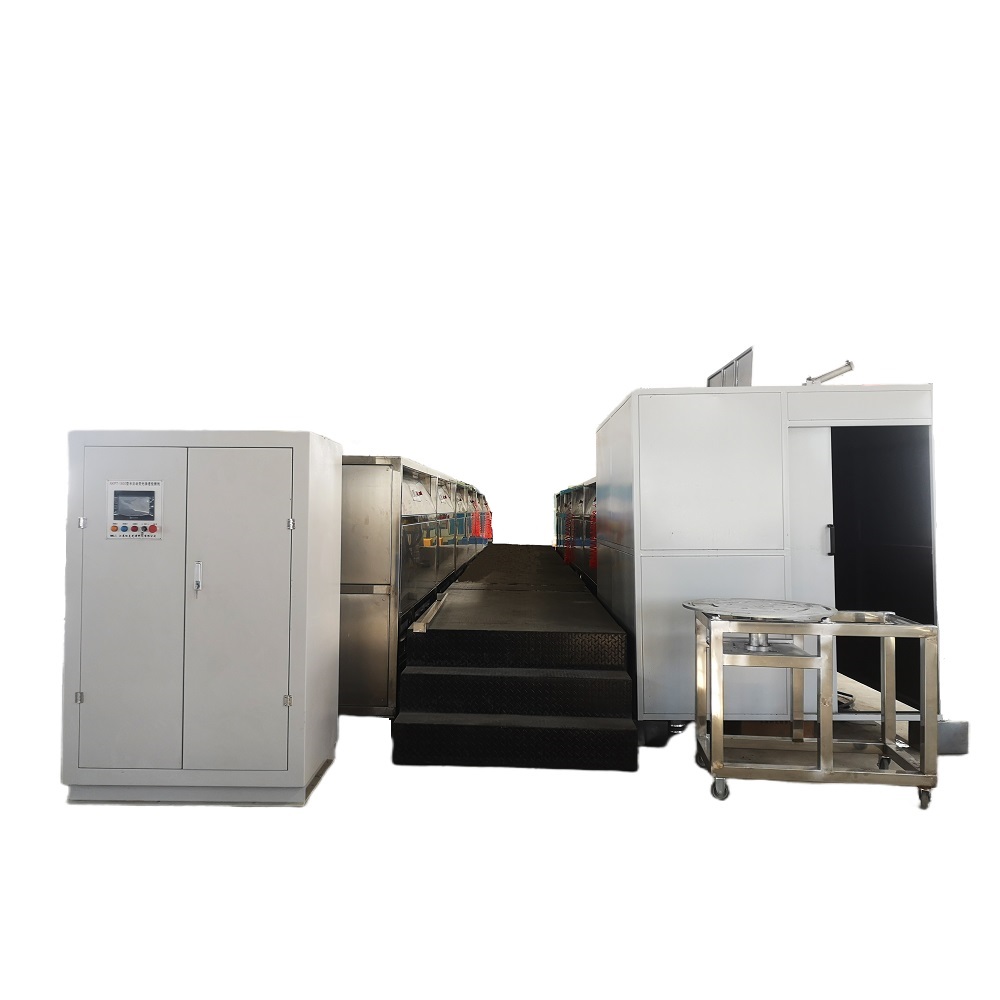
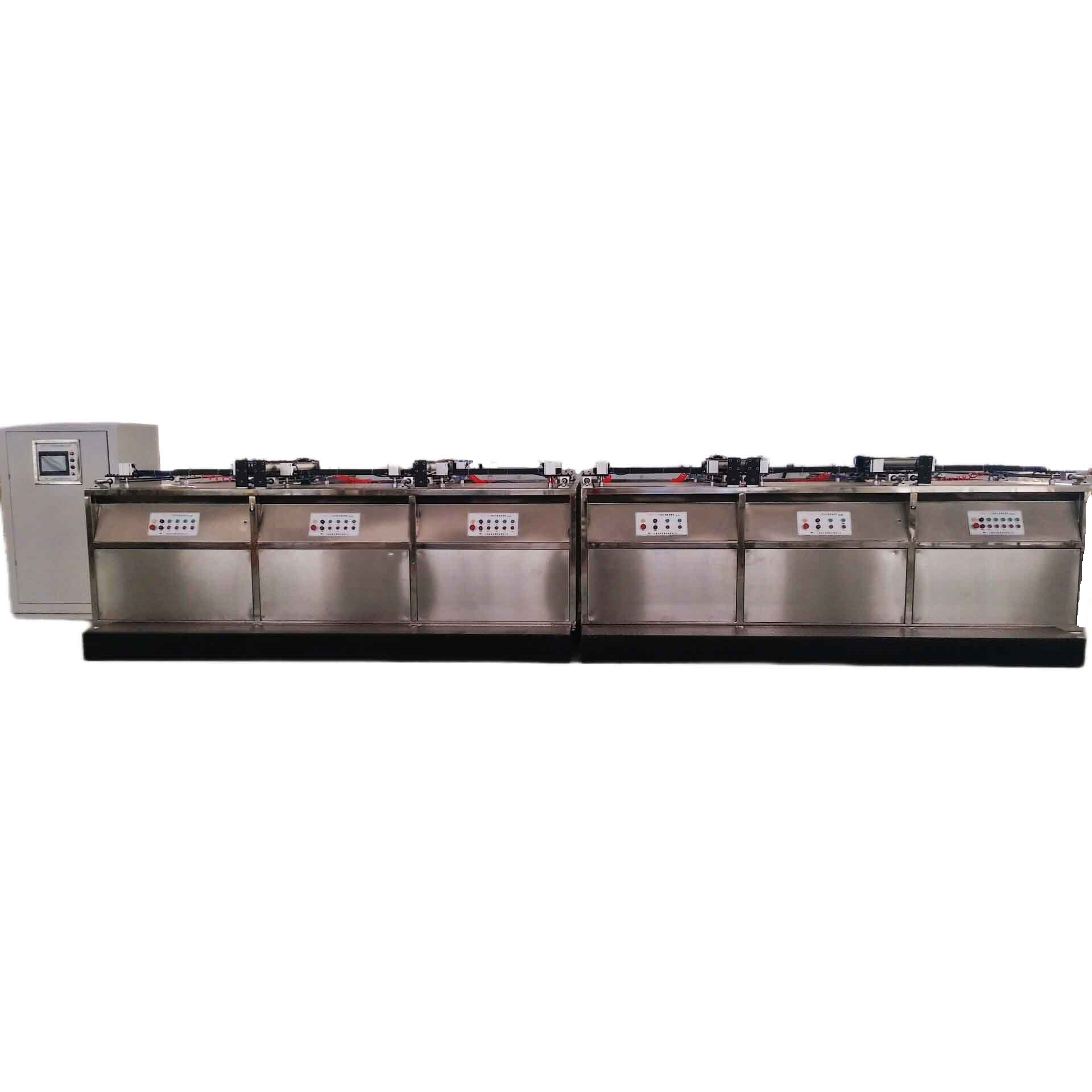
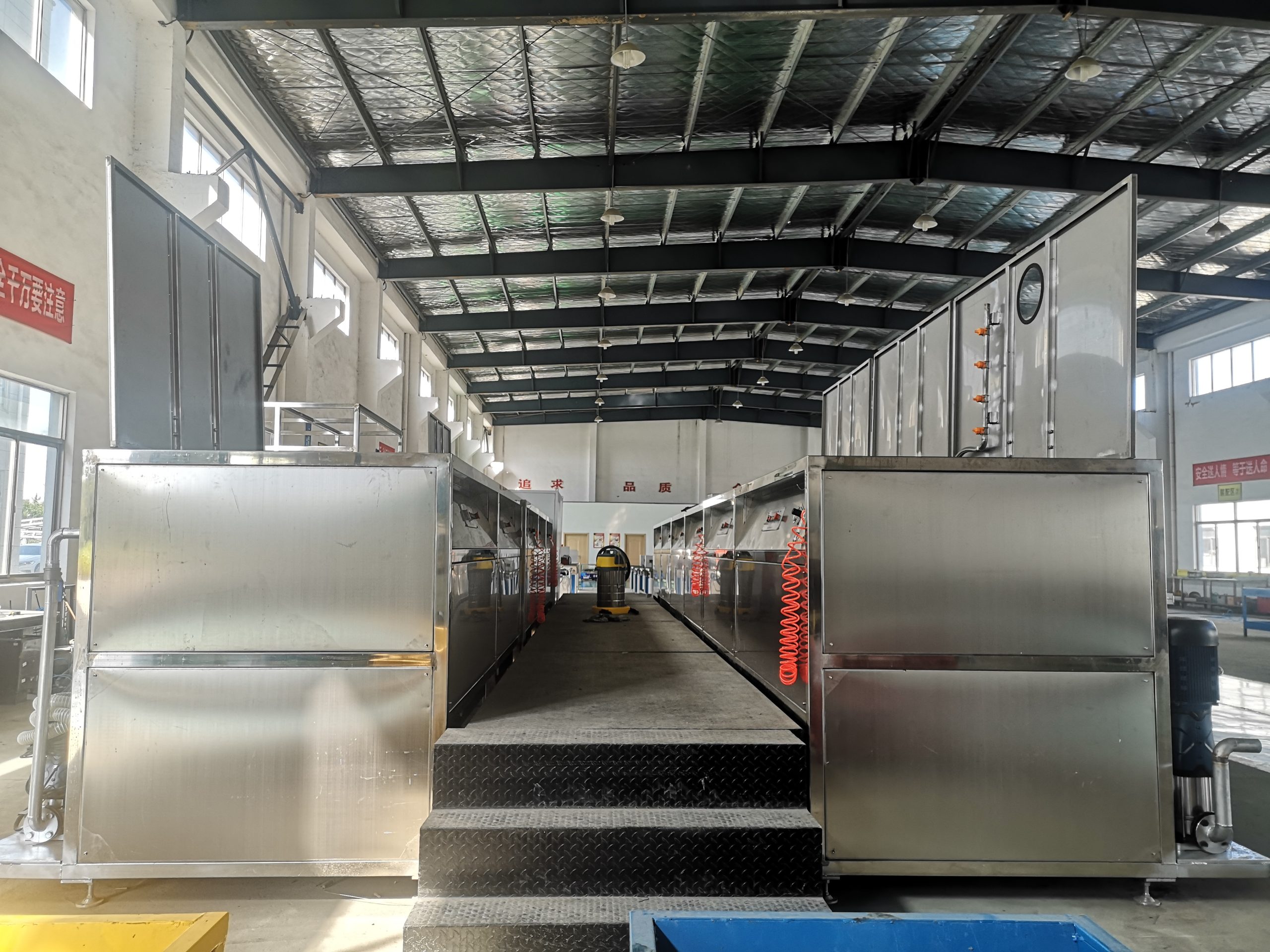
Typical Configuration of an Automated FPI Line
A complete automated FPI inspection line typically includes several functional stations.
1. Pre-cleaning Station
Removes oils, grease, and contamination to ensure defects are not blocked.
2. Drying Station
Ensures the component surface is completely dry before penetrant application.
3. Penetrant Application Station
Applies fluorescent penetrant through spray systems or immersion tanks.
4. Penetration Dwell Station
Allows sufficient time for penetrant to enter defects.
5. Washing Station
Removes excess penetrant from the surface.
6. Drying Station
Prepares the component for developer application.
7. Developer Application Station
Applies developer evenly to enhance defect indications.
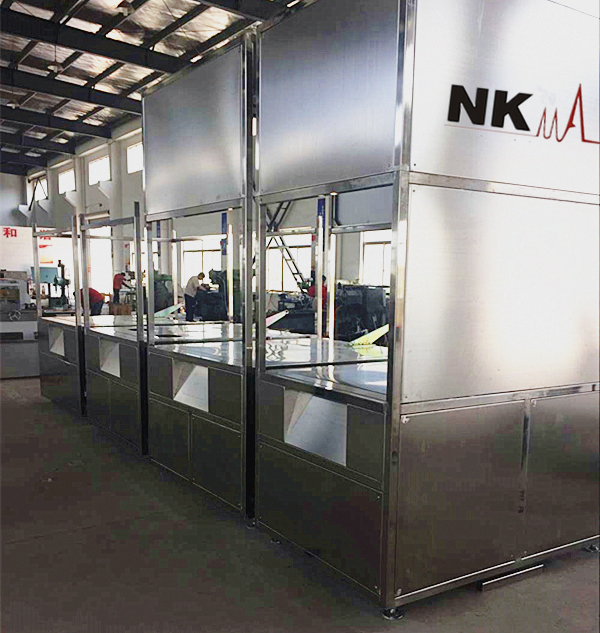
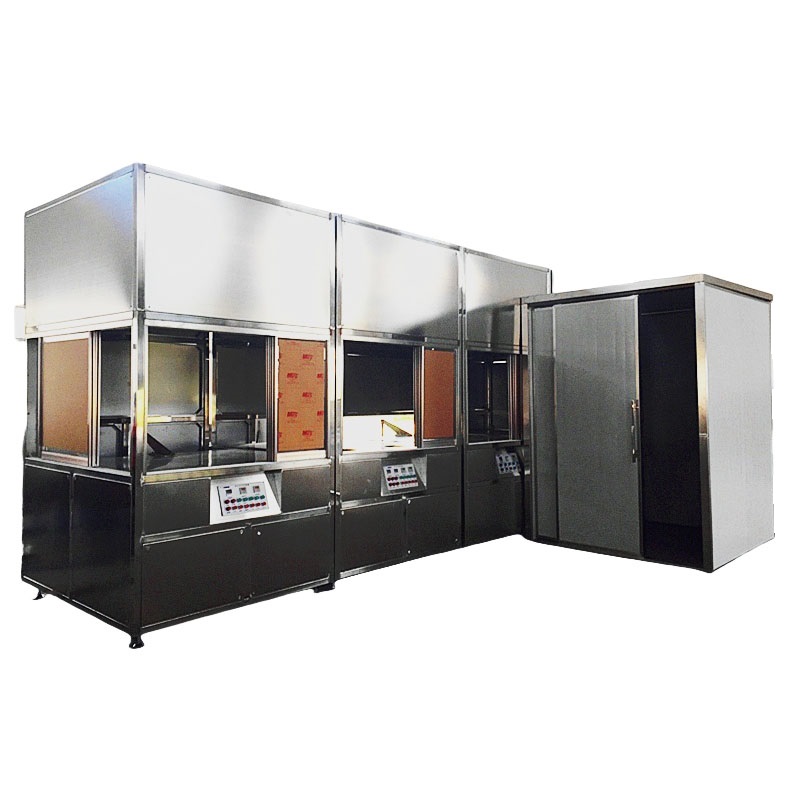
8. Inspection Darkroom
Inspection is performed under controlled UV-A lighting conditions in a darkroom environment.
9. Post-cleaning Station
Removes developer and penetrant residues after inspection.
Special Challenges in MRO FPI Inspection
MRO facilities often deal with a wide range of component sizes and weights, which can create unique engineering challenges.
Large Components
Some engine components may reach:
-
Diameters exceeding 2 meters
-
Weights up to 500 kg or more
Handling these parts requires specialized lifting systems and large inspection tanks.
Mixed Production
Unlike manufacturing lines, MRO facilities often process many different part types in small batches, requiring flexible inspection equipment.
Customized FPI Solutions for Aerospace MRO
Because every MRO facility has different requirements, many FPI systems must be custom engineered.
Important design considerations include:
-
Maximum part dimensions
-
Maximum part weight
-
Required sensitivity level
-
Inspection capacity per year
-
Integration with existing workflow
-
Compliance with aerospace standards
Customized solutions may include:
-
Fully automatic FPI lines
-
Semi-automatic penetrant inspection systems
-
Dedicated stations for oversized components
-
Integrated material handling systems
NK Fluorescent Penetrant Inspection Solutions
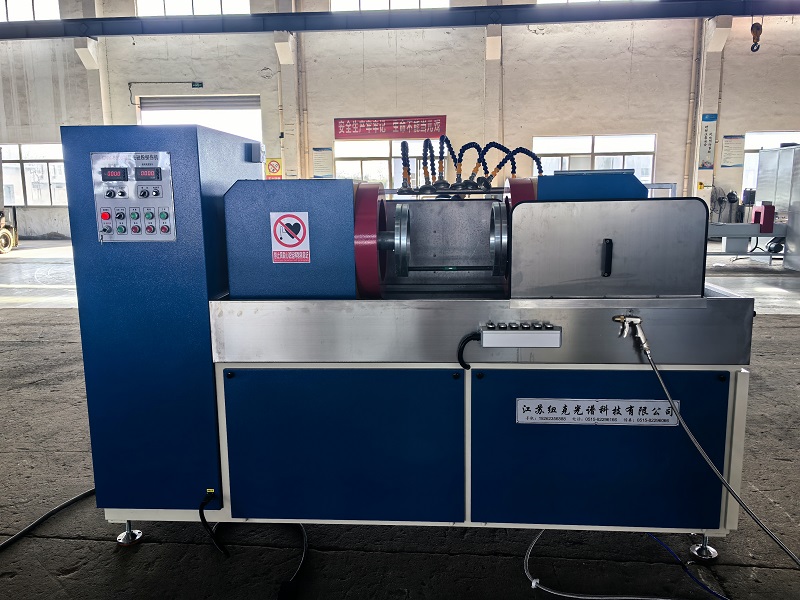
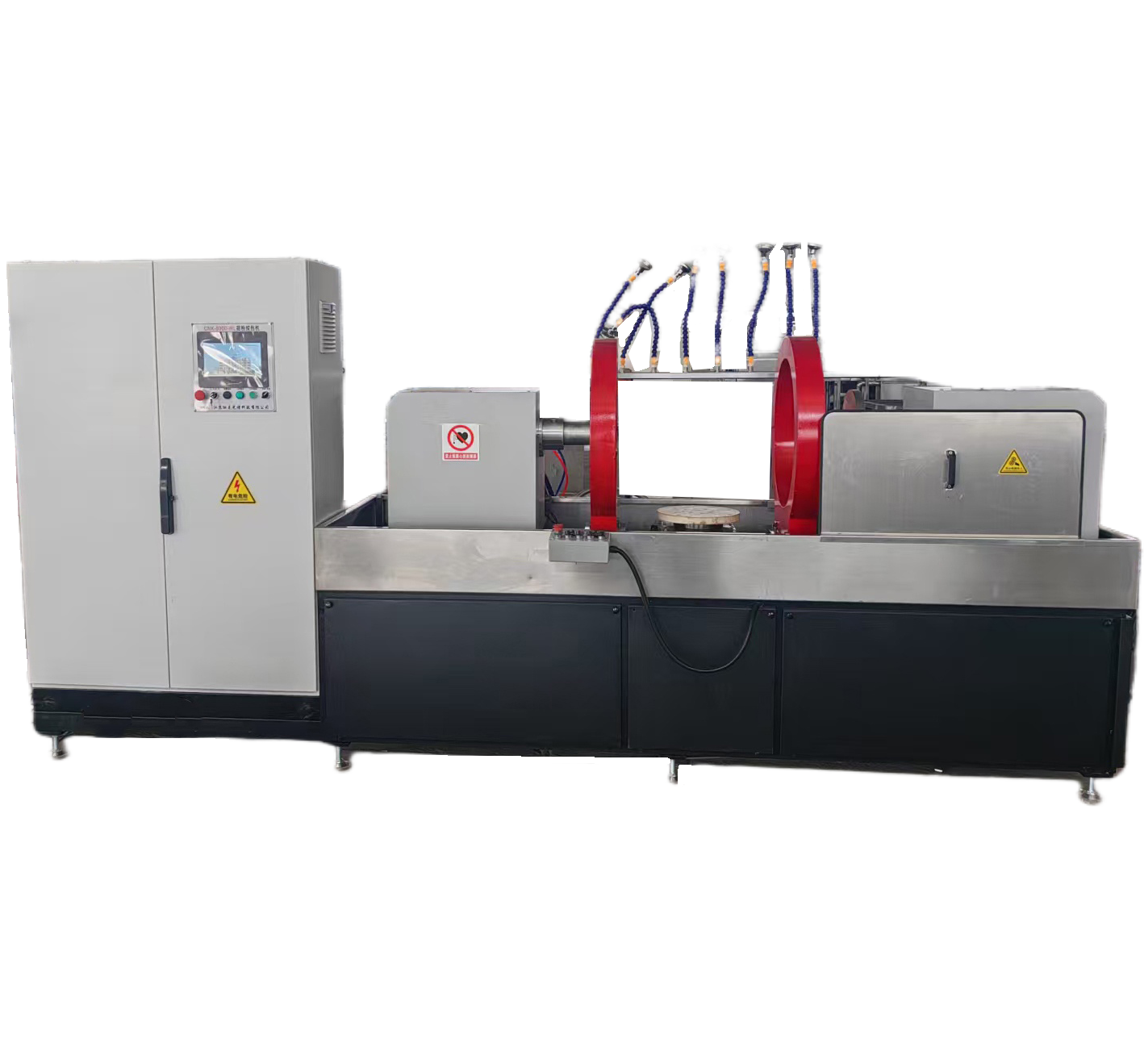
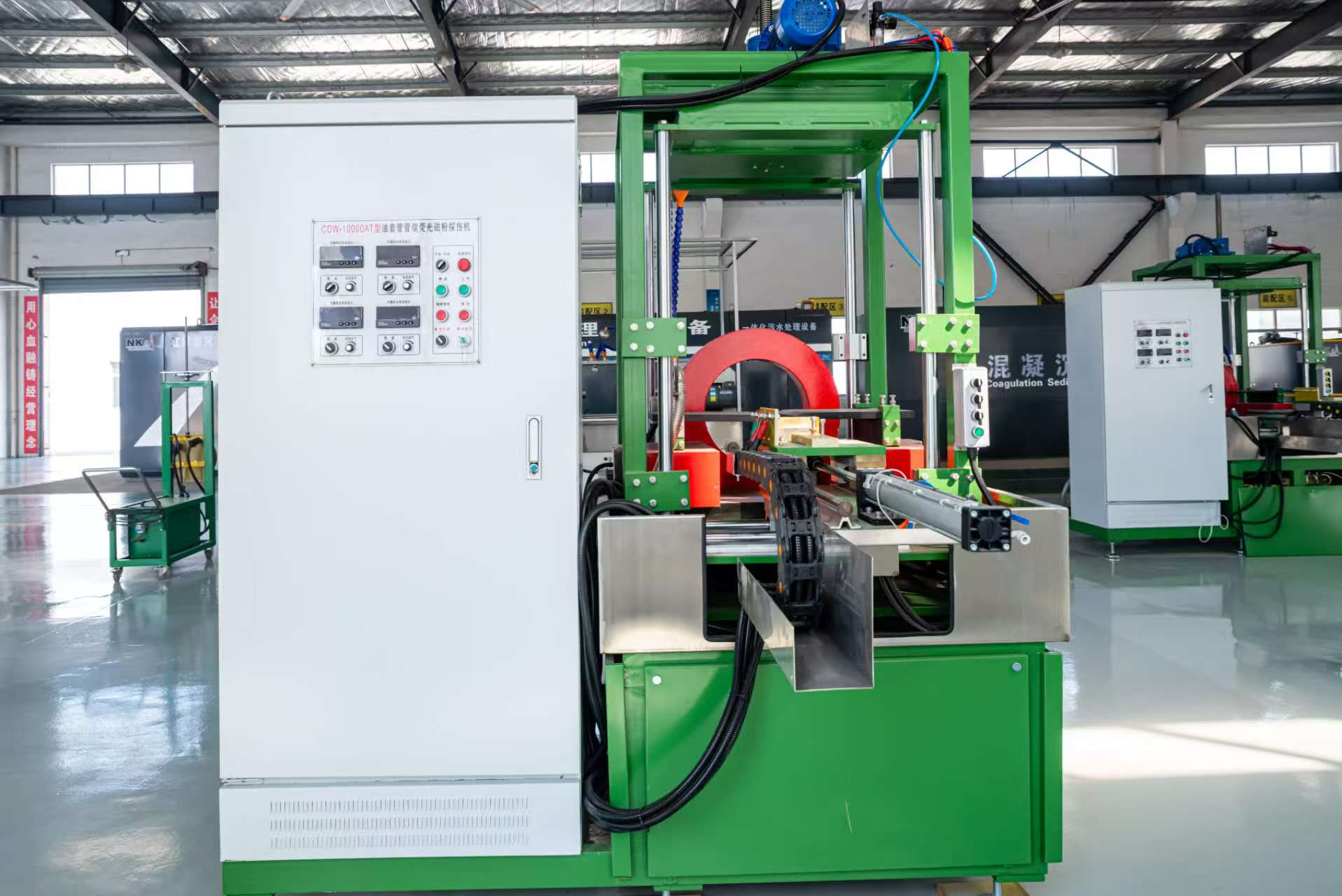
At NK, we specialize in the design and manufacturing of advanced non-destructive testing equipment, including Fluorescent Penetrant Inspection systems for industrial and aerospace applications.
With more than 20 years of experience in NDT equipment manufacturing, we provide:
-
Automatic FPI inspection lines
-
Semi-automatic penetrant inspection systems
-
Manual penetrant inspection stations
-
Customized inspection solutions for large aerospace components
Our engineering team works closely with customers to design tailored inspection systems that meet their specific technical requirements and international standards.
Conclusion
Fluorescent Penetrant Inspection remains one of the most reliable and widely used inspection methods in aerospace MRO operations. Its ability to detect extremely small surface defects makes it essential for ensuring the safety and reliability of critical aircraft components.
As the global aviation industry continues to grow, the need for efficient, automated, and high-precision inspection technologies will continue to increase.
Modern automated FPI inspection lines help MRO facilities achieve:
-
Higher inspection accuracy
-
Improved productivity
-
Consistent process control
-
Compliance with international aerospace standards
By investing in advanced penetrant inspection systems, aerospace maintenance providers can ensure the highest levels of safety, reliability, and operational efficiency.
Contact us for more solution.