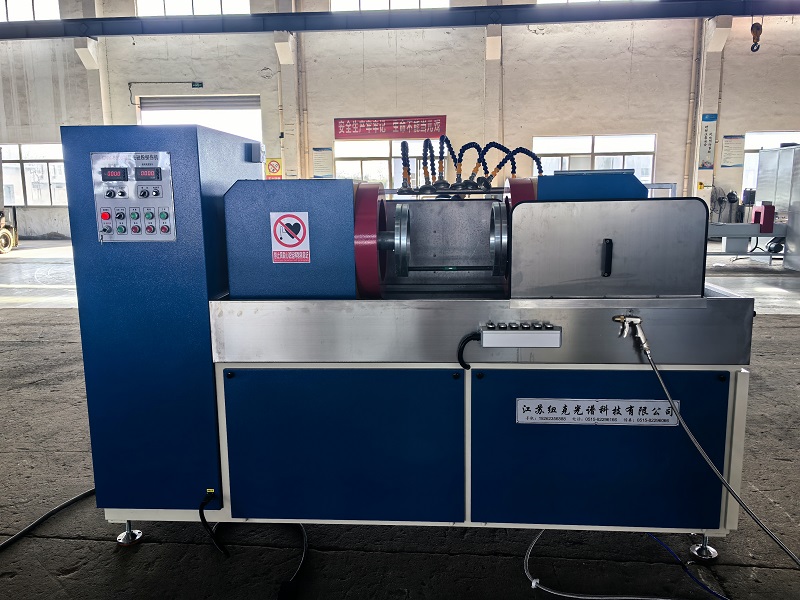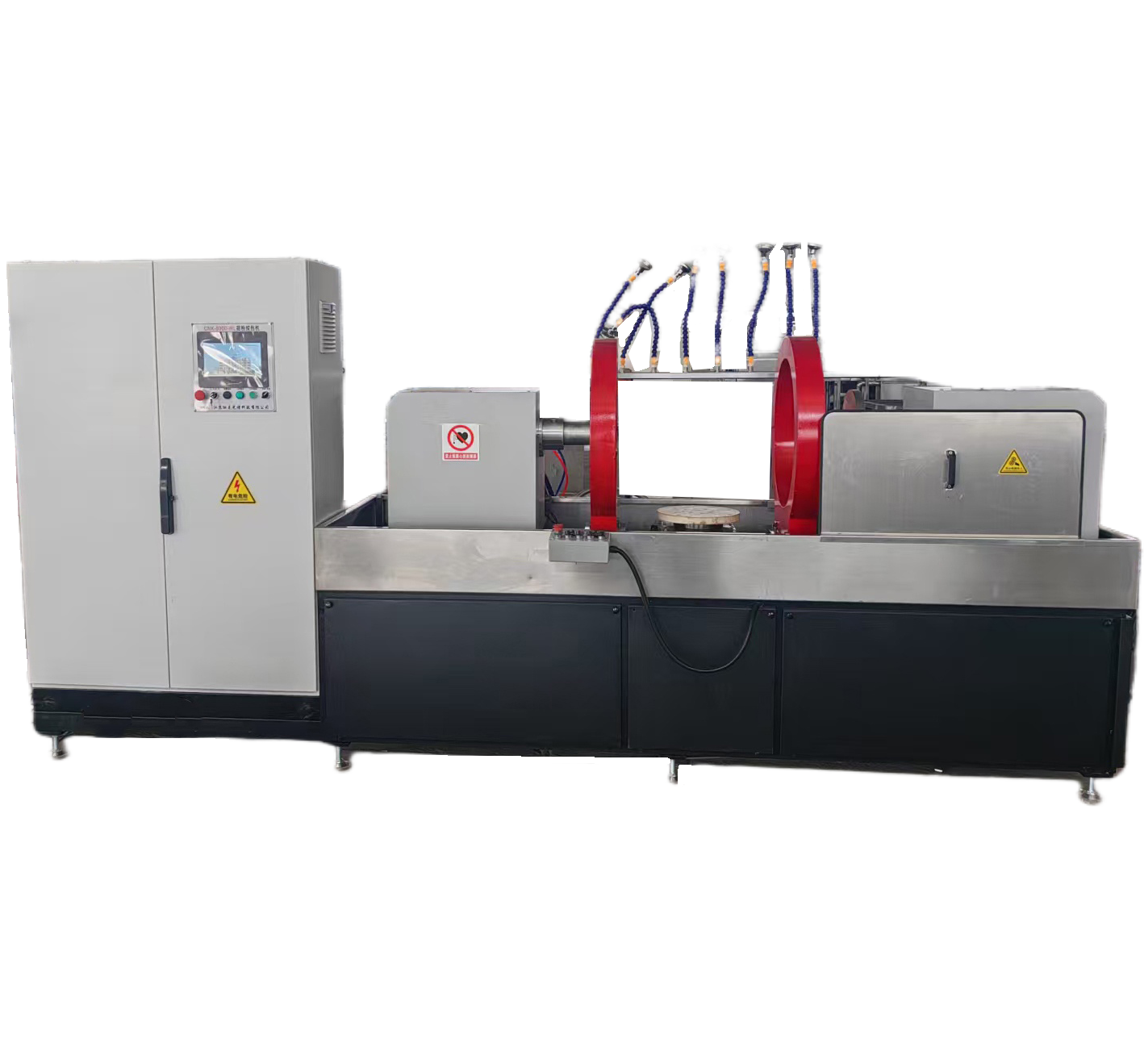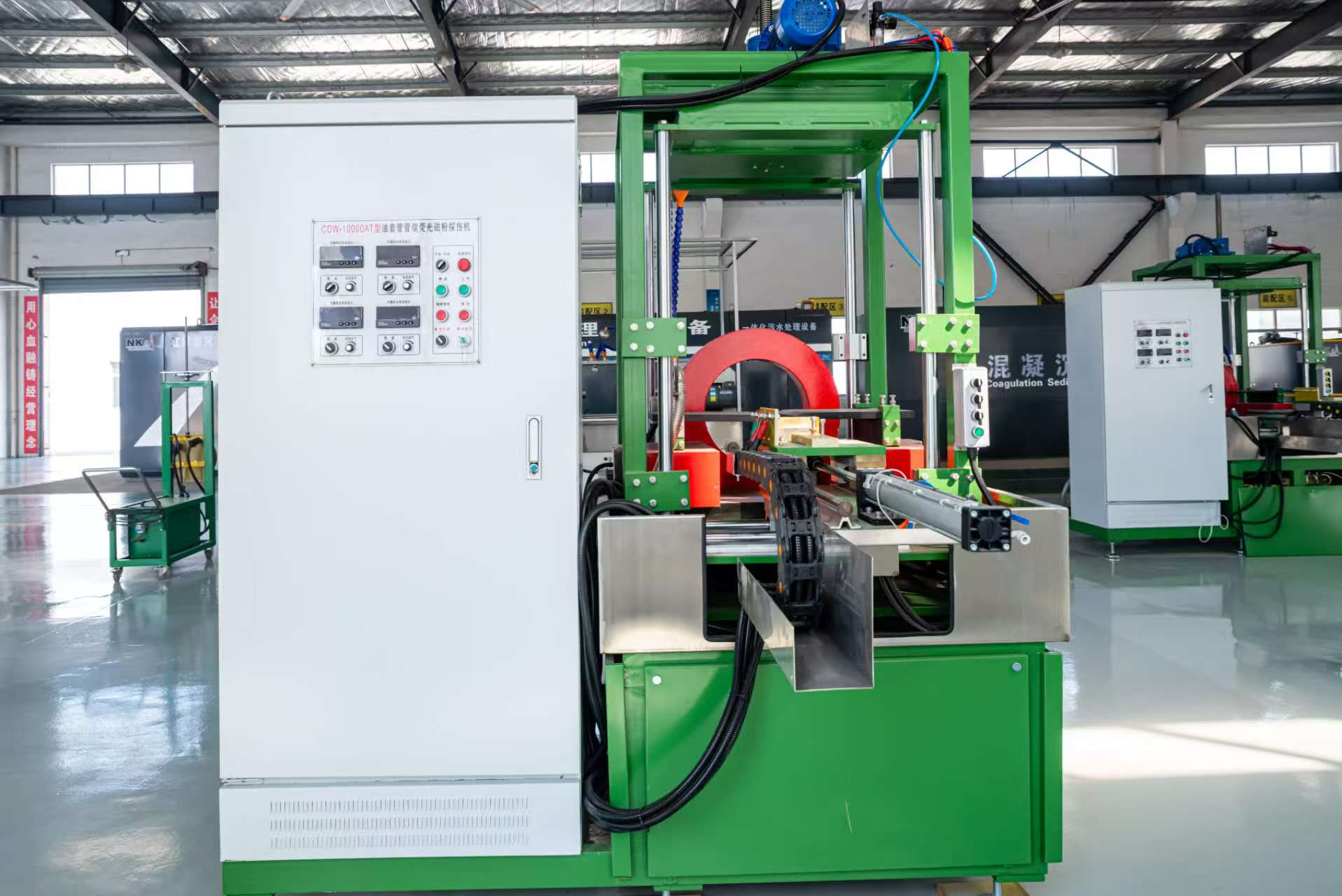
Magnetic Particle Inspection (MPI) is widely used to detect surface and near-surface defects in ferromagnetic materials such as pipes, shafts, forgings, and welded components.
However, when selecting an MPI system, one technical factor is often misunderstood or overlooked: the difference between AC and DC magnetization.
In practice, this difference directly affects inspection sensitivity, application range, and even equipment pricing. This article explains AC and DC magnetization in a practical, application-oriented way.
What Is Magnetization in Magnetic Particle Inspection?
MPI works by magnetizing a component so that discontinuities interrupt the magnetic field and create leakage flux. Magnetic particles are then attracted to these leakage fields, forming visible indications.
To detect different flaw orientations, MPI systems usually apply:
-
Circumferential magnetization (for longitudinal defects)
-
Longitudinal magnetization (for transverse defects)
The type of current used for magnetization—AC or DC—determines how effectively these flaws can be revealed.
AC Magnetization: Characteristics and Applications
Alternating Current (AC) magnetization produces a magnetic field that constantly changes direction. Due to the skin effect, AC magnetization is concentrated near the surface of the material.
Key features of AC magnetization:
-
High sensitivity to surface defects
-
Ideal for fine cracks, laps, and seams
-
Commonly used for circumferential magnetization
-
Typically lower equipment cost
Limitations:
-
Limited penetration depth
-
Not suitable for detecting subsurface flaws
AC magnetization is widely used in applications where surface-breaking defects are the primary concern.
DC Magnetization: Characteristics and Applications
Direct Current (DC) magnetization creates a steady magnetic field that penetrates deeper into the material. It can be generated as true DC or via rectified current.
Key features of DC magnetization:
-
Capable of detecting subsurface and near-surface defects
-
Stronger and more stable magnetic field
-
Commonly used for longitudinal magnetization
-
Essential for thick-wall or large cross-section components
Considerations:
-
More complex power supply
-
Higher equipment cost compared to AC-only systems
In many industrial standards, DC magnetization is mandatory for reliable detection of internal or angled defects.
Circumferential vs Longitudinal Magnetization Explained
To achieve full coverage, MPI systems often combine both magnetization directions:
-
Circumferential magnetization
Usually generated by passing current through the part to detect longitudinal defects. -
Longitudinal magnetization
Typically produced using coils or yokes to detect transverse defects.
In practical inspection, the effectiveness of these magnetization methods depends heavily on whether AC or DC is used.
AC vs DC Magnetization: Practical Differences That Matter
| Aspect | AC Magnetization | DC Magnetization |
|---|---|---|
| Defect depth | Surface only | Surface + subsurface |
| Field stability | Alternating | Steady |
| Penetration | Shallow | Deep |
| Typical use | Fine surface cracks | Internal or angled flaws |
| Equipment complexity | Lower | Higher |
These differences explain why two MPI machines with similar current ratings can perform very differently in real inspections.
Why Some MPI Machines Are Cheaper Than Others
In many quotations, the magnetization type is not clearly stated—only current ranges are listed.
This often indicates:
-
AC-only magnetization
-
Simplified or non-true DC output
-
Reduced inspection capability
Machines configured with true AC/DC magnetization offer broader application coverage and higher inspection reliability, which naturally affects cost.
How to Choose the Right Magnetization Configuration
When selecting an MPI system, consider:
-
Material thickness and geometry
-
Required defect sensitivity
-
Applicable inspection standards
-
Existing inspection procedures
If your inspection requires both surface and subsurface flaw detection, AC/DC capability is not an option—it is a necessity.
Conclusion
Understanding the difference between AC and DC magnetization is essential when evaluating MPI equipment.
While AC magnetization is effective for surface inspection, DC magnetization provides deeper detection capability and greater inspection confidence.
Choosing the right configuration ensures consistent results, compliance with inspection requirements, and long-term inspection reliability.
If you still don’t know how to choose the best solutions, contact us right now.